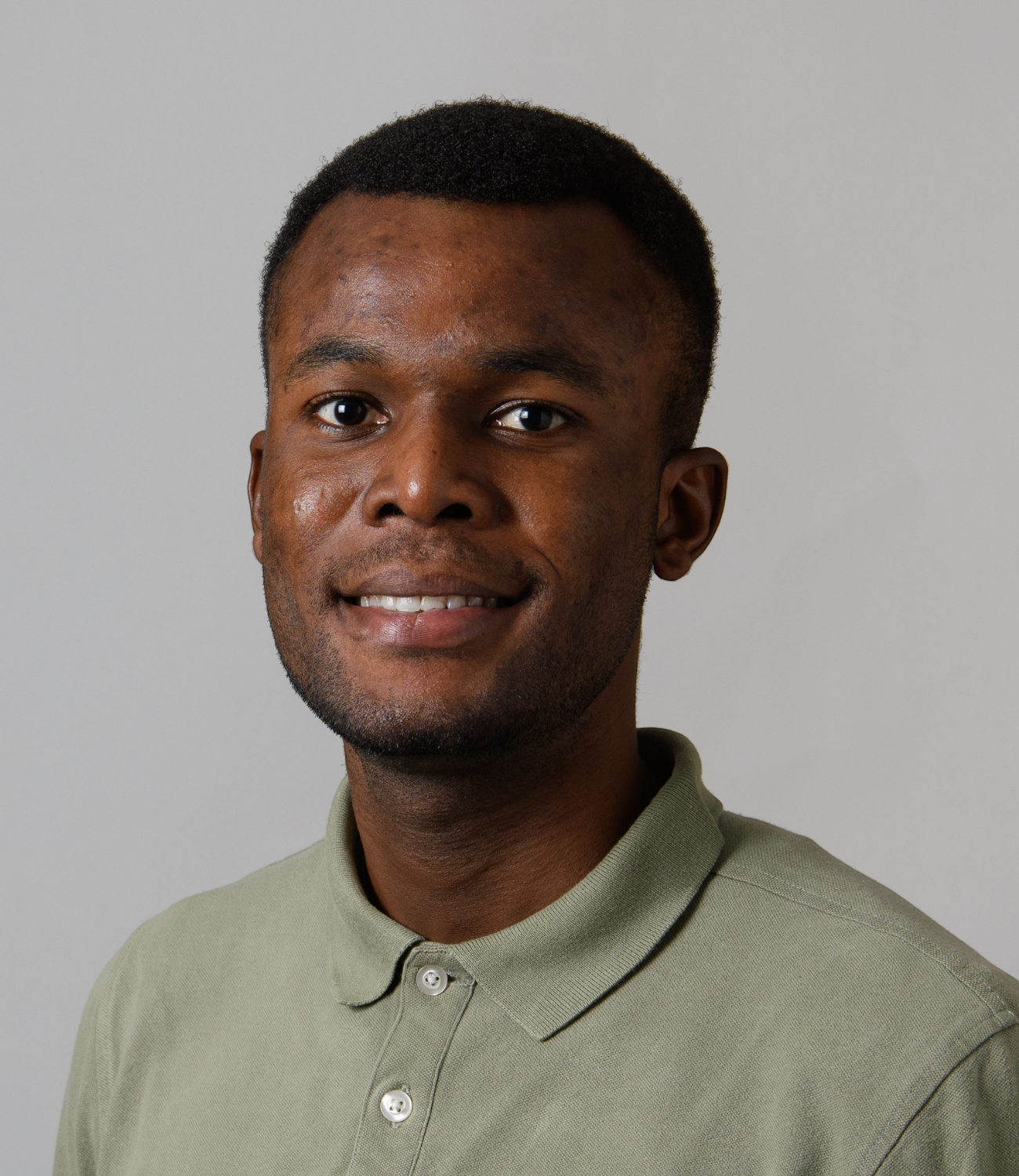
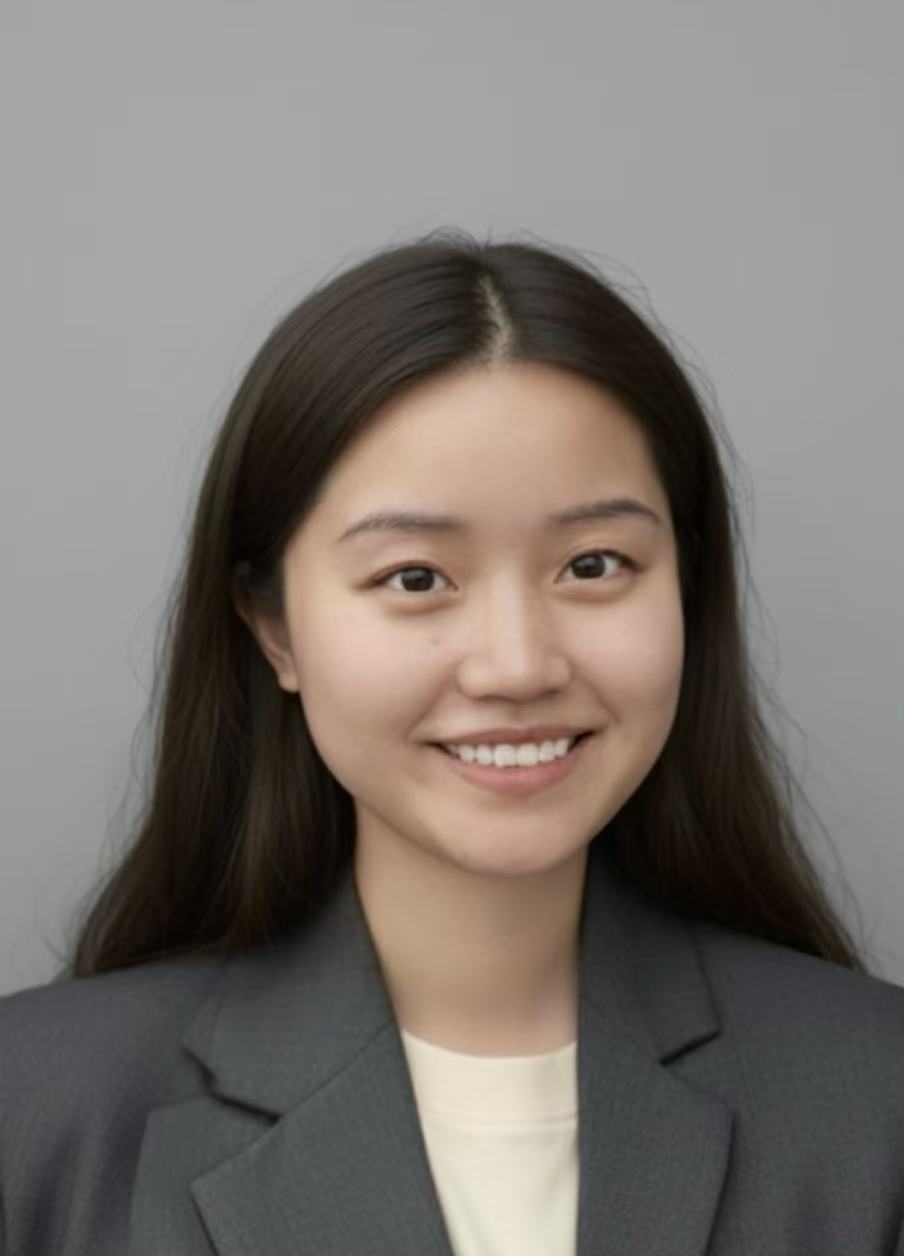
Author: Surendra Bhatta and Aagya Dahal Named Graduate Student Leadership Initiative Awardees
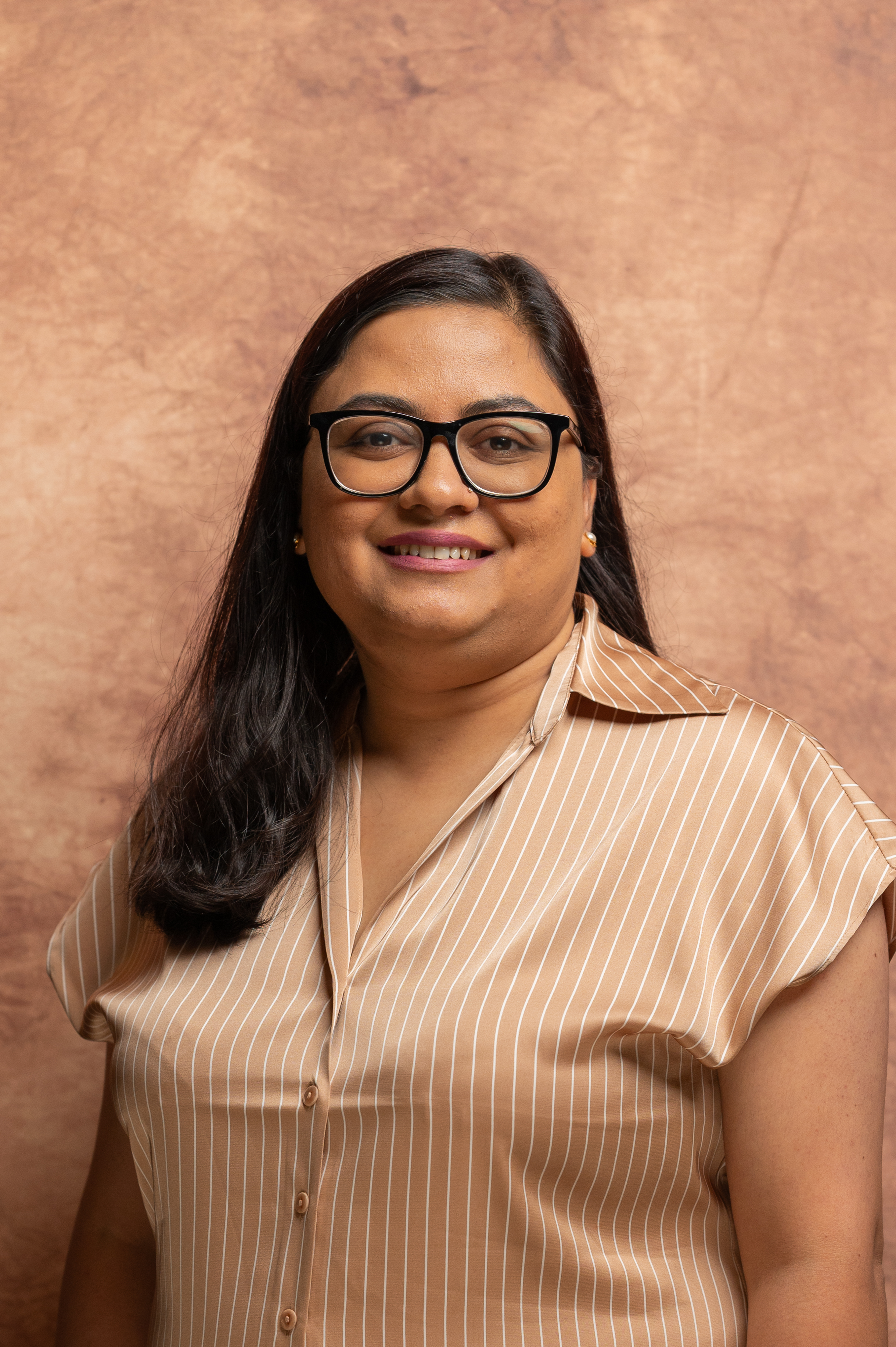
Headshot of Aagya Dahal
Aagya Dahal
Civil Engineering PhD Student
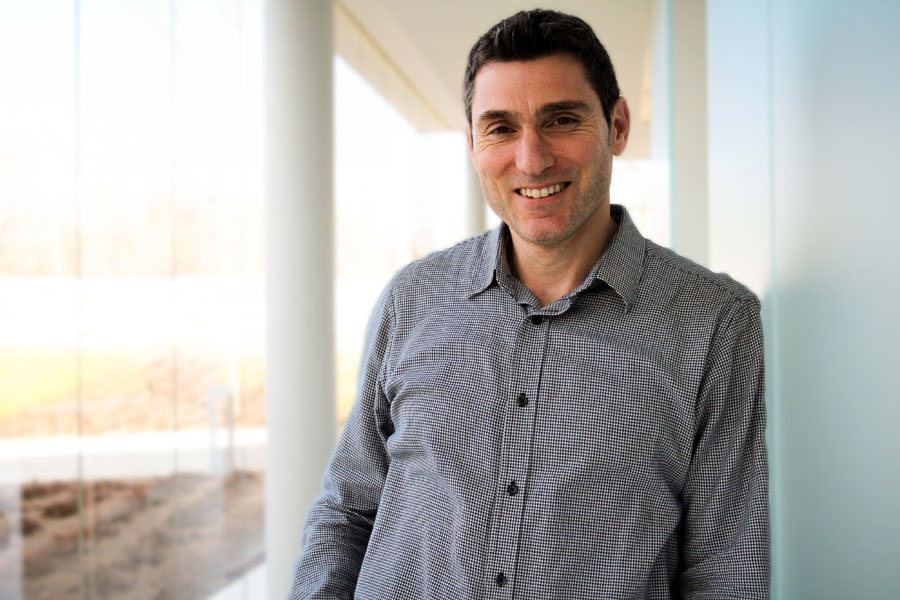
Headshot of Surendra Bhatta
Surendra Bhatta
Civil Engineering PhD Student

The School of Civil and Environmental Engineering (SoCEE) is proud to recognize Surendra Bhatta and Aagya Dahal as recipients of support through the school’s Graduate Student Leadership Initiative.

This initiative is designed to recognize, motivate, inspire, and support graduate students who excel not only in their studies, but also in leadership and service to the graduate student population and their field of study. Through the program, the school provides fellowship support that can be used for conference participation, professional development opportunities, and other activities that help students grow as leaders.

By supporting graduate students in both academic and professional development, the initiative reflects SoCEE’s commitment to preparing future leaders in civil and environmental engineering. The recognition of Bhatta and Dahal highlights the strength of the school’s graduate community and the important role students play in advancing scholarship, leadership, and service.

SoCEE congratulates Surendra Bhatta and Aagya Dahal on this achievement and looks forward to their continued success and contributions to the field.

Click here to read more SoCEE News: cee.engr.uconn.edu/about-us/news-archive

Author: Alexander Agrios & Sarira Motaref Named 2026 Commencement Marshals
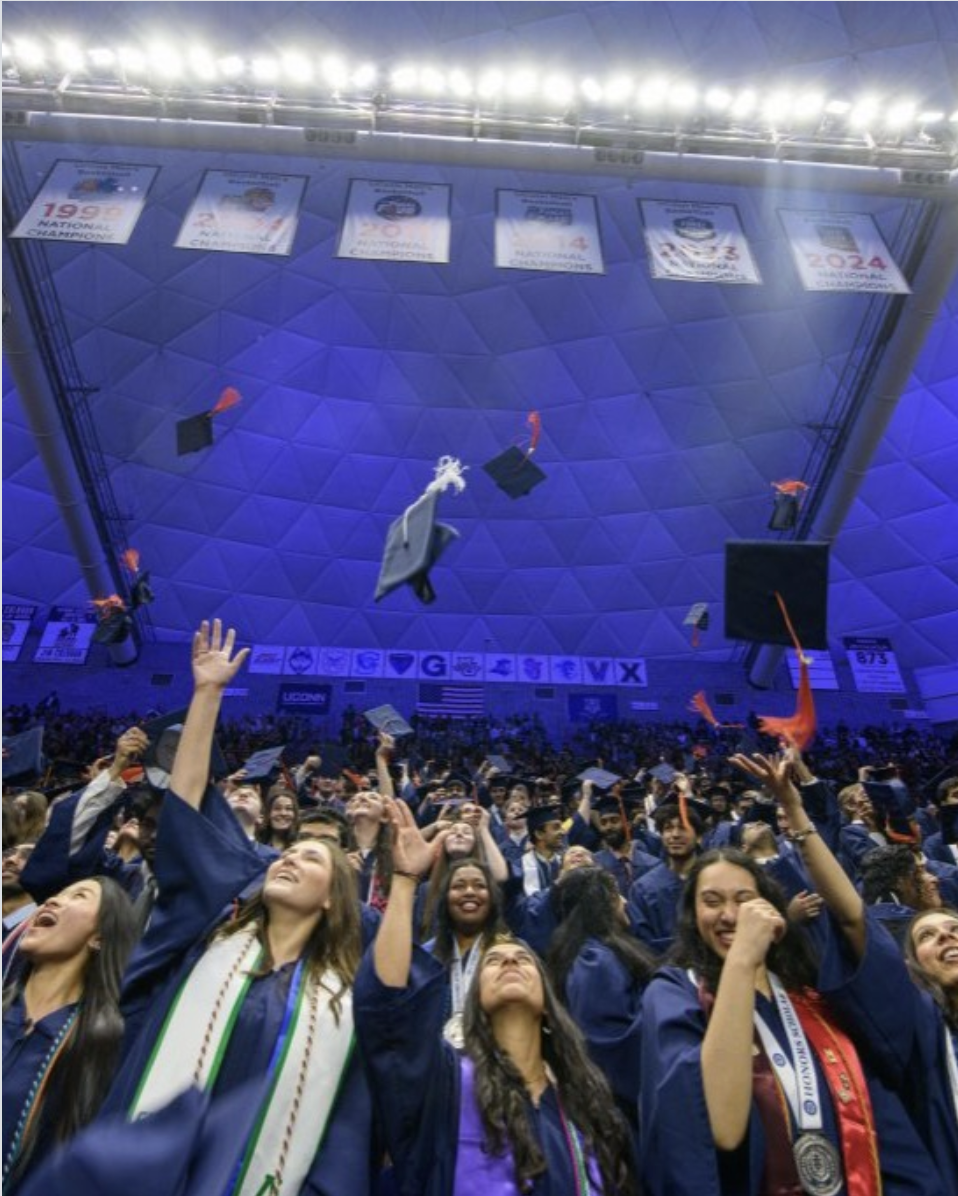
A large group of graduates in navy blue caps and gowns celebrate inside a domed arena, tossing their mortarboards into the air. Many are smiling, cheering, and reaching upward as the caps scatter above them, some with orange tassels visible. The crowd fills the foreground, while bright stadium lights and championship banners hang overhead in the background, emphasizing the scale and excitement of the commencement ceremony.

A close-up of a graduation cap decorated with glitter and the message “BUILD THE LIFE YOU LOVE,” worn by a graduate seated among others in blue caps and gowns.

The School of Civil & Environmental Engineering (SoCEE) is proud to announce that Dr. Alexander Agrios and Dr. Sarira Motaref have been selected by the senior class to serve as the 2026 Civil Engineering and Environmental Engineering Commencement Marshals.

This honor recognizes their exceptional dedication to students, contributions to engineering education, and commitment to mentorship. Both faculty members have made lasting impacts on the student experience through their teaching, advising, and engagement within the School.

As Commencement Marshals, Dr. Agrios and Dr. Motaref will play an integral role in leading the Class of 2026 during the graduation ceremony, reflecting their outstanding leadership and dedication to student success.

Congratulations to Dr. Alexander Agrios and Dr. Sarira Motaref on this well-earned recognition, and thank you for your continued contributions to the School of Civil & Environmental Engineering!

Click here for more details about 2026 commencement.

Click here to read more SoCEE News: cee.engr.uconn.edu/about-us/news-archive

Author: SoCEE Graduate Students Earn Top Honors in College of Engineering Poster Competition

SoCEE is proud to celebrate outstanding achievements by its graduate students at the recent College of Engineering Graduate Poster Competition, where students from both Civil Engineering and Environmental Engineering earned recognition at the departmental and college-wide levels.

In the first round of judging, Ana Carolina Vieira Rocha and Dahye Kim were selected as departmental winners for the Civil Engineering program, and Samuel Rothfarb was selected as the departmental winner for the Environmental Engineering program. In the final college-wide competition, Rothfarb earned first place overall, and Vieira Rocha earned third place overall, giving SoCEE two of the top three awards across all College of Engineering graduate programs.
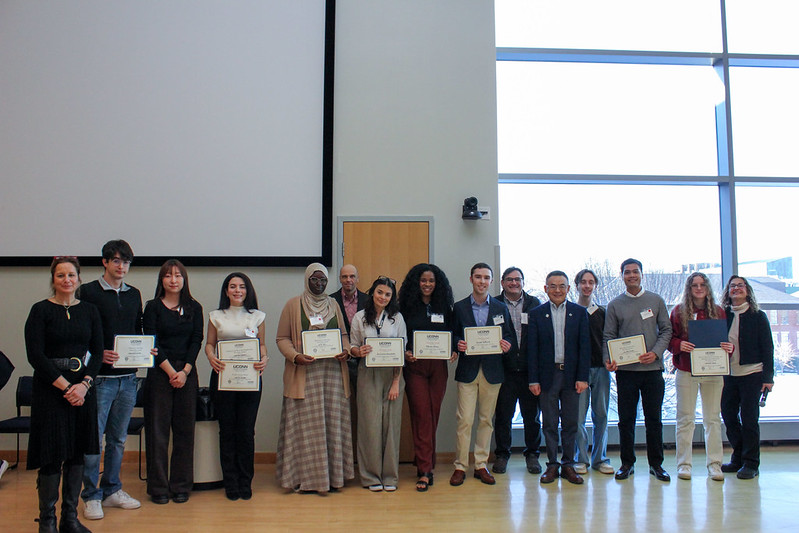
A group of graduate students and faculty stand in a row at the front of a large room, several holding certificates, posing for a photo after the poster competition awards.
Graduate student awardees and faculty gather for a photo following the poster competition awards.

The event highlighted the depth of graduate research taking place across UConn Engineering, while also recognizing students’ ability to clearly communicate complex ideas to a broad audience. For SoCEE, the results reflect excellence across multiple areas of research, from infrastructure durability to transportation optimization and autonomous scientific discovery.

Departmental and College-Wide Recognition

Because of the high number of participants and the strength of the presentations, two students were recognized in the Civil Engineering category during the first round of judging. Vieira Rocha and Kim were both named departmental winners, while Rothfarb advanced from the Environmental Engineering category and ultimately earned the competition’s top overall award. Vieira Rocha’s third-place finish in the final round further underscored the strong showing by SoCEE students in this year’s competition.
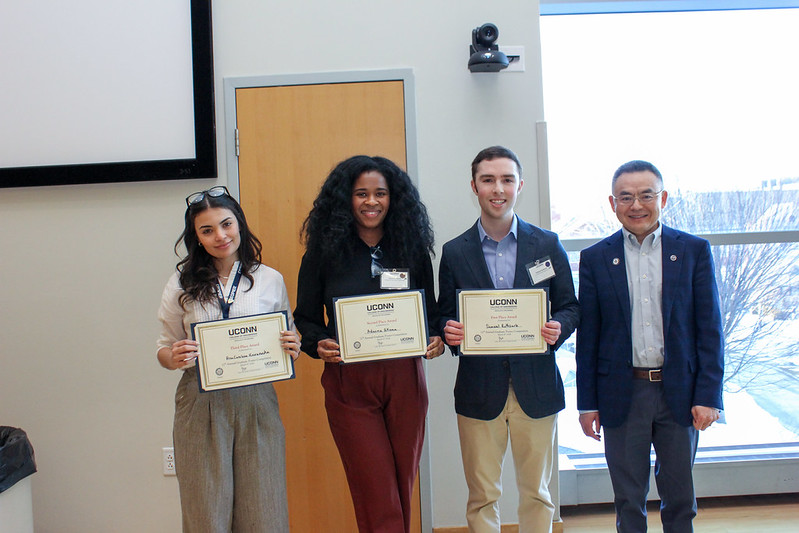
Three award-winning students stand side by side holding certificates next to a faculty member, posing for a photo in front of a large window.
The top College of Engineering poster competition winners pose with their awards.

Photos from the event also capture the energy of the competition, including poster presentations, conversations among participants, and the award ceremony itself.
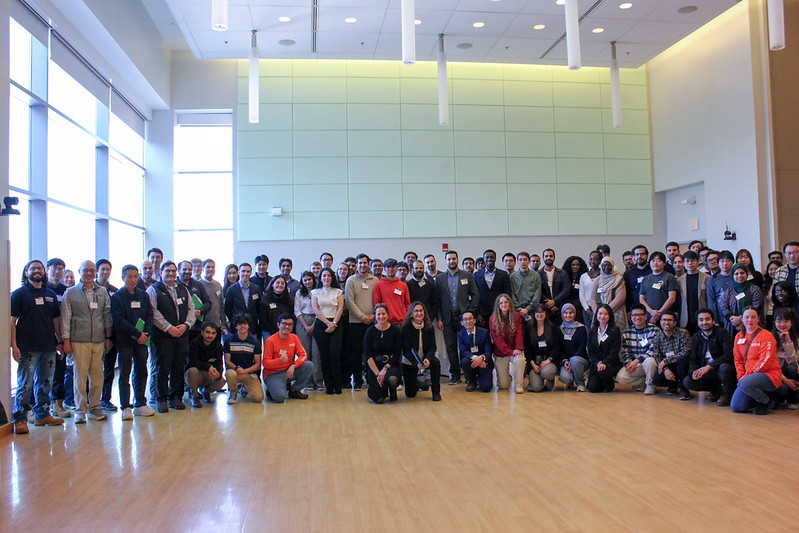
A large group of students, faculty, and staff gather in a spacious, well-lit hall for a group photo, representing participants in the poster competition.
Participants in the College of Engineering Graduate Poster Competition gather for a group photo.

Samuel Rothfarb Earns First Place Overall

Rothfarb’s poster, “Autonomous Discovery of Energy Materials with Large Language Model Agents and First-Principles Simulation,” focused on the growing role of artificial intelligence in scientific discovery. His research introduces Materials Agents for Simulation and Theory in Electronic-structure Reasoning (MASTER), an active learning framework in which large language models autonomously design, execute, and interpret atomistic simulations.

Rather than simply automating routine tasks, the framework is designed to engage in higher-level scientific reasoning. Across two chemistry applications, the system significantly reduced the number of required atomistic simulations compared to conventional trial-and-error selection, helping accelerate materials discovery while also producing reasoning trajectories grounded in chemical principles. The work points toward a new model for autonomous scientific exploration.
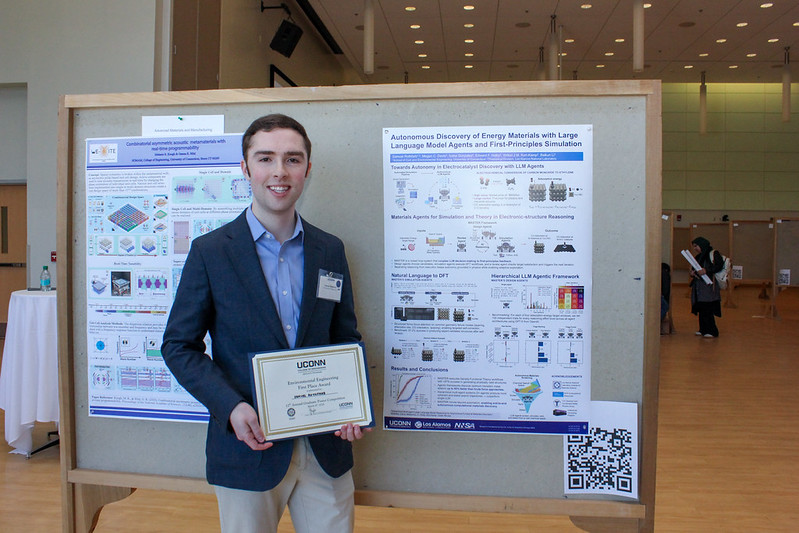
A graduate student stands smiling in front of a research poster display, holding a framed certificate, with the poster mounted on a wooden board behind him.
Rothfarb with his poster and award certificate.
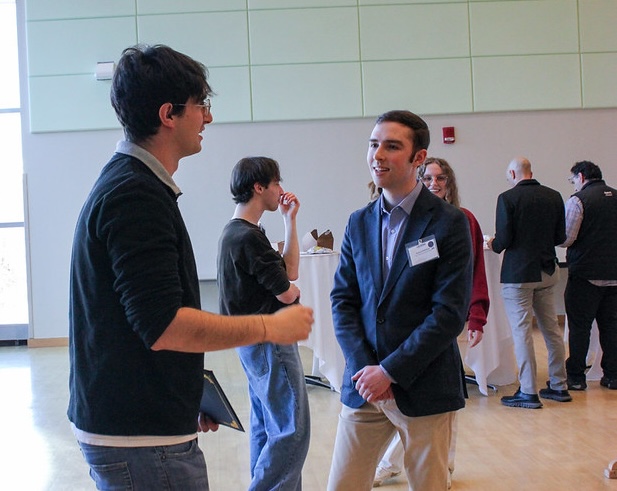
Two students stand in a bright indoor space during a poster session, engaged in conversation; one wears a blazer and name badge, while the other holds a tablet, with additional attendees and posters visible in the background.
Rothfarb discusses his research with another student during the poster session.

Ana Carolina Vieira Rocha Earns Third Place Overall

Vieira Rocha’s poster, “Influence of Matrix Composition and Surface Treatments on Iron Sulfide-Induced Concrete Deterioration,” examined a major infrastructure challenge associated with pyrrhotite-bearing aggregates in concrete foundations. Her research explored how both the internal composition of concrete and external surface treatments affect the rate of oxidation-driven deterioration.

The study found that concrete matrix properties, including cement type and lower water-to-cement ratios, can help delay the onset of damage. It also showed that external protective treatments, especially polymer coatings, can slow deterioration and improve the long-term performance of affected concrete. Together, the findings support a combined strategy of material design optimization for new construction and protective interventions for existing foundations.

Vieira Rocha’s work contributes to ongoing research in this area at UConn. You can learn more through the Crumbling Concrete research website.
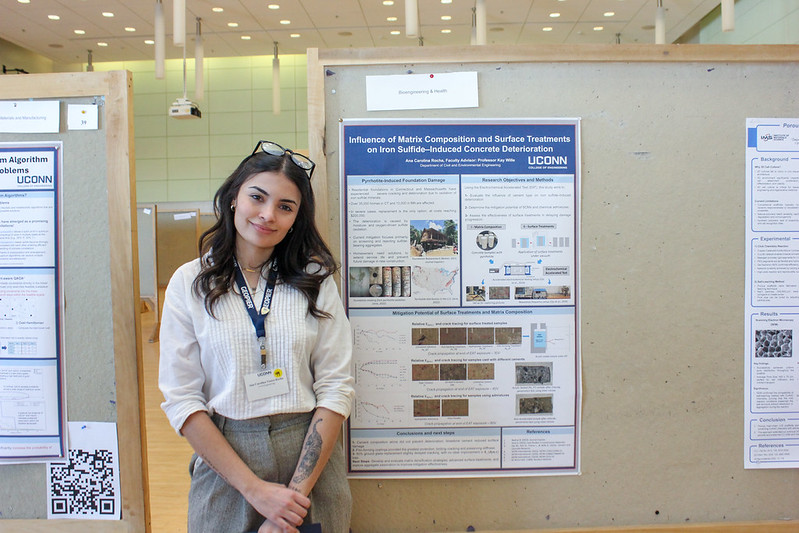
A student stands in front of her research poster, smiling at the camera in a poster session setting, with other displays visible nearby.
Ana Carolina Vieira Rocha with her award-winning poster.
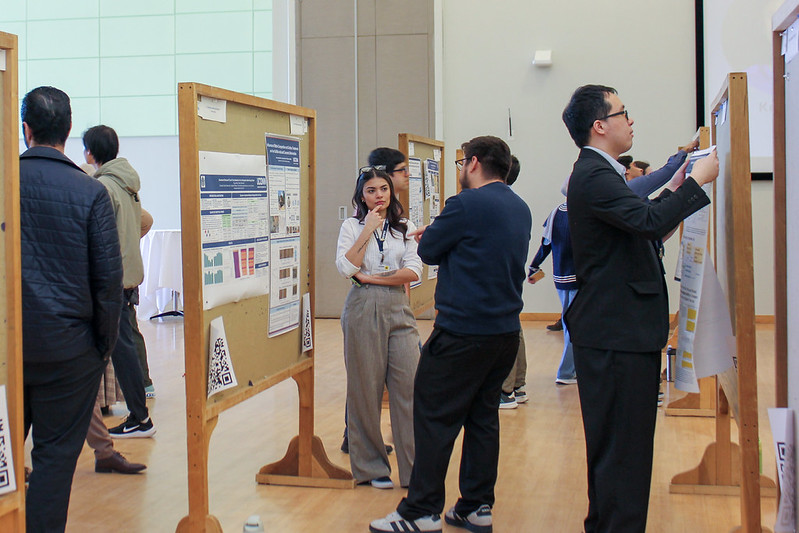
Several students stand beside large poster boards arranged in rows, discussing research and reviewing posters in an indoor exhibition space.
Students present and discuss their work during the poster competition.

Dahye Kim Recognized as a Departmental Winner

Kim was recognized as one of the Civil Engineering departmental winners for her poster, “A Novel Constraint-Aware Quantum Algorithm for Transportation Routing Problems.” Her research focuses on transportation optimization using quantum algorithms, with particular attention to feasibility constraints that make routing problems especially difficult to solve.

In this work, Kim introduced a constraint-aware variant of the Quantum Approximate Optimization Algorithm, designed to preserve feasibility during quantum evolution. By comparing several formulations across small-scale transportation routing problems, the study demonstrated that embedding feasibility directly into the quantum process can improve performance in constrained optimization tasks. The research highlights the promise of quantum computing approaches for complex transportation and logistics problems.
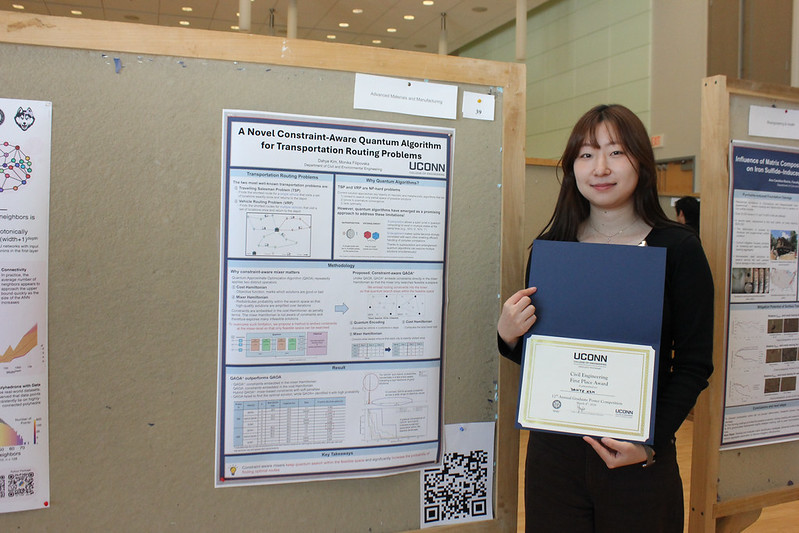
A student stands beside her research poster, holding a certificate and smiling, with other posters visible in the background.
Dahye Kim with her poster and departmental award certificate.
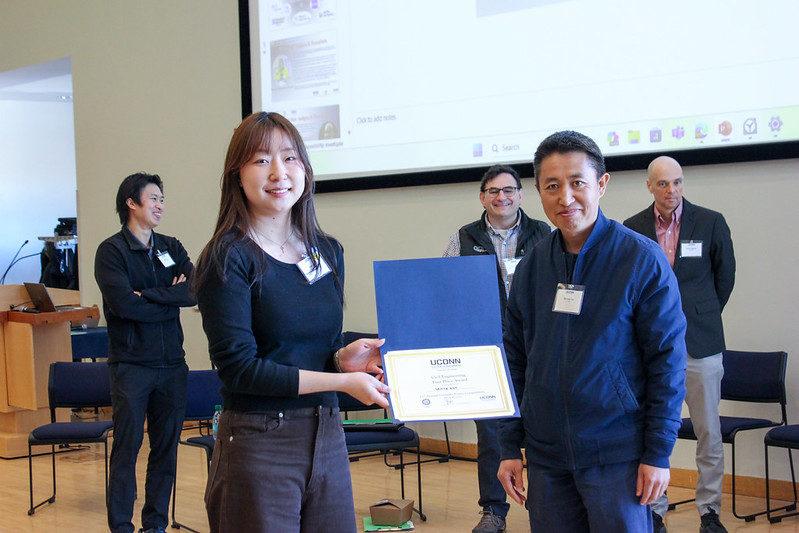
A student holds a certificate while standing next to a faculty member during an award presentation, with several people and a projection screen visible in the background.
Kim receives her departmental award during the ceremony.

Celebrating Research Excellence Across SoCEE

The School of Civil and Environmental Engineering congratulates Ana Carolina Vieira Rocha, Dahye Kim, and Samuel Rothfarb on these outstanding accomplishments. Their success in the poster competition reflects the high quality of graduate research taking place across SoCEE, as well as the importance of communicating that research clearly and effectively.

Additional photos from the event are available through the UConn Engineering Flickr album.

Click here to read more SoCEE News: cee.engr.uconn.edu/about-us/news-archive

Author: SoCEE Ph.D. Candidate Shah Saki Receives AMS Student Award

Headshot of Shah Saki

Shah Saki
Environmental Engineering PhD Candidate

Shah Saki, a Ph.D. candidate in the University of Connecticut School of Civil and Environmental Engineering, has received Second Prize for Oral Presentation in the American Meteorological Society (AMS) Energy and Renewable Energy Committee Student Award Competition.

Saki earned the award for his presentation titled “Projecting Power Outage Risk from Compound Heatwave–Storm Events in the ERCOT Region Under Future Climate Conditions.” The award recognizes outstanding student research presented at the AMS meeting and highlights work that advances understanding of weather and climate impacts on energy systems.

The student competition evaluates presentations across several criteria, including presentation clarity, scientific quality, and aesthetic quality. According to the AMS Energy and Renewable Energy Committees, Saki’s work stood out among student competitors for its strong scientific contribution and effective communication of complex climate risk analysis.

Saki conducts his doctoral research in the School of Civil and Environmental Engineering at UConn, where he is also a Graduate Research Assistant at the Eversource Energy Center. His work focuses on understanding how extreme and compound weather events affect energy infrastructure and power system reliability, an increasingly important topic as climate change intensifies weather-related hazards.

His award-winning presentation examined how combined heatwaves and storm events may influence power outage risk in the ERCOT region, the electricity market that serves most of Texas. By projecting future climate conditions and analyzing compound event scenarios, the research helps identify potential vulnerabilities in energy systems and supports improved resilience planning.

Saki credited the mentorship and support of his research collaborators and advisors as instrumental in his work and presentation.

The American Meteorological Society (AMS) is the leading professional organization for atmospheric, oceanic, and hydrologic sciences. Its student awards recognize emerging researchers whose work demonstrates excellence in advancing scientific understanding and communicating research to the broader community.

The UConn CEE community congratulates Shah Saki on this recognition and looks forward to his continued contributions to research on climate, weather extremes, and energy system resilience.

Click here to read more SoCEE News: cee.engr.uconn.edu/about-us/news-archive

Author: Ph.D. Student Aagya Dahal Receives SEI Futures Fund Student Scholarship

Aagya Dahal headshot

Aagya Dahal
Civil Engineering PhD Student

Aagya Dahal, a Ph.D. student here in the School of Civil and Environmental Engineering, has been selected to receive a Structural Engineering Institute (SEI) Futures Fund Student Scholarship to attend Structures Congress 2026, which will be held in Boston from April 29 to May 1, 2026.

The scholarship provides complimentary student registration to the conference along with partial travel support, giving Dahal the opportunity to participate in one of the field’s leading professional gatherings and connect with structural engineers from across the country.

Aagya presenting at the SEI ETS conference scholarship event.
Aagya presenting the previous SEI ETS conference scholarship.

Dahal’s doctoral research focuses on the development of more sustainable ultra-high-performance concrete (UHPC). Her work examines how supplementary cementitious materials (SCMs) can be more effectively dispersed in polycarboxylate ether (PCE) based systems and evaluates their behavior through sedimentation testing, optical microscopy, and particle size analysis. She is also involved in a pyrrhotite-bearing concrete project, conducting detailed microstructural and phase analysis to better understand deterioration mechanisms in affected foundations.

In addition to her research, Dahal is a member of ASCE/SEI and recently joined the SE 2050 Commitment Program Committee, where she hopes to contribute to resources that support lower-carbon structural design.

“Being selected for the SEI Student Scholarship to attend Structures Congress 2026 is an incredible honor,” said Dahal. “It not only recognizes my efforts in sustainable UHPC research, but also gives me the opportunity to learn from and connect with leading structural engineers who are shaping the future of our profession.”

Group photo from a previous SEI conference event.

The award highlights both Dahal’s research contributions and her growing engagement with the structural engineering profession. By supporting student participation in Structures Congress, the scholarship helps emerging researchers and practitioners build connections, gain exposure to new ideas, and contribute to conversations shaping the future of the discipline.

Dahal is advised by School Director Kay Wille and conducts her research as part of UConn’s ongoing efforts to advance durable, innovative, and more sustainable construction materials.

Click here to read more SoCEE News: cee.engr.uconn.edu/about-us/news-archive

Author: SoCEE Undergrad Jacob McCormick Awarded NASA CT Space Grant Scholarship

Jacob McCormick headshot

Jacob McCormick
Environmental Engineering Undergraduate

Abi Lawal headshot

Abi Lawal
Assistant Professor, Environmental Engineering

The School of Civil and Environmental Engineering is proud to announce that Environmental Engineering undergraduate Jacob McCormick has been awarded a NASA Connecticut Space Grant Consortium (CTSGC) Undergraduate Scholarship for Fall 2025.

The highly competitive scholarship, funded through NASA’s National Space Grant College and Fellowship Program, supports outstanding students pursuing STEM education and research aligned with NASA’s mission. McCormick received a $3,000 award in recognition of his academic excellence and research engagement.

McCormick conducts research in the lab of Assistant Professor Abi Lawal, where his work examines environmental processes with direct implications for public health and sustainability.

His current research explores ozone’s effects on public health, contributing to broader efforts to understand atmospheric chemistry, air quality, and environmental risk. Through this scholarship, McCormick will continue expanding his involvement in NASA-related research initiatives while deepening his technical and analytical expertise.

“Receiving the NASA CTSGC Scholarship has been a monumental step in my academic and professional career. It has allowed me to expand my involvement in NASA-related research while having the opportunity to contribute to our understanding of ozone's effects on public health. This opportunity has accelerated my growth as a student, researcher, and problem solver while allowing me to pursue my passion for environmental sustainability. I am deeply grateful to receive this scholarship.”

Jake McCormick, Environmental Engineering Undergraduate

The NASA Connecticut Space Grant Consortium supports students across the state who demonstrate exceptional promise in science, technology, engineering, and mathematics. Award recipients are also invited to participate in the annual NASA CTSGC Grants Expo at the New England Air Museum, where students present their work and engage with industry and academic leaders.

Faculty mentor Abi Lawal emphasized the importance of undergraduate research opportunities in preparing students for impactful careers in environmental engineering and space-related research initiatives.

The School of Civil and Environmental Engineering congratulates Jacob on this outstanding achievement and looks forward to the continued impact of his research contributions.

Learn more about the NASA Connecticut Space Grant Consortium and its mission to support STEM education and research across Connecticut.

Click here to read more SoCEE News: cee.engr.uconn.edu/about-us/news-archive

Author: CTI Received $1.97M to Advance Smart, Connected Transportation Safety

Assistant Research Professor, Kai Wang
Assistant Research Professor and Project Manager,
Connecticut Transportation Safety Research Center
Assistant Research Professor, Kai Wang
Assistant Research Professor and Project Manager,
Connecticut Transportation Safety Research Center

The School of Civil and Environmental Engineering is proud to announce that the Connecticut Transportation Institute has been awarded a $1.97 million grant from the U.S. Department of Transportation’s Safe Streets and Roads for All program. The three-year project (2025–2028) will strengthen data-driven pedestrian and bicyclist safety efforts on the Storrs campus by integrating artificial intelligence, 5G-enabled systems, and real-time analytics into transportation operations and safety analysis.

This award builds on CTI’s broader transportation safety efforts recently highlighted in UConn Today, which detailed $16.5 million in new grant funding supporting statewide traffic safety innovation. As noted in the coverage, CTI’s mission centers on leveraging emerging technologies to improve roadway safety across Connecticut, reinforcing the university’s commitment to protecting drivers, passengers, pedestrians, and bicyclists alike.

Prototype concept image for a smart and connected campus safety system at UConn
Prototype concept illustrating the project’s vision for smart, connected safety monitoring and analytics on UConn’s campus.

The Connecticut Transportation Institute (CTI) has been awarded a $1.97 million, three-year (2025–2028) grant through the U.S. Department of Transportation’s Safe Streets and Roads for All (SS4A) program to support technology-driven strategies that improve roadway safety. The award includes $1.58 million in federal funding and $390,000 in recipient cost share.

The project is led by Sean Vasington, Executive Director of University Planning, Design & Construction, who will serve as Principal Investigator. Dr. Kai Wang of CTI will serve as a Co-PI, leading the project’s modern technology and innovation efforts. Additional Co-PIs include Dr. Song Han and Dr. Yuan Hong from the School of Computing.

“I am truly excited to work with an interdisciplinary team of professors and experts from different agencies and schools to embed a variety of modern technologies into traffic operations and safety analysis. This award represents an important opportunity to bring together expertise in engineering, data science, communications, and public policy to develop innovative, technology-driven solutions that can meaningfully improve roadway safety. What excites me most about this work is the ability to translate advanced tools, such as AI, connected systems, and real-time analytics, into practical applications that protect pedestrians and bicyclists and create smarter, safer transportation systems for our communities.”Dr. Kai Wang, CTI Co-PI

Smart and connected campus prototype

Central to Dr. Wang’s leadership role is the development of a smart and connected campus prototype at UConn focused on improving pedestrian and bicyclist safety. As part of the demonstration work, AI-enabled smart cameras will be installed at selected high-priority intersections to detect and classify pedestrians, bicyclists, and vehicles, track trajectories, and identify potential conflicts or near-miss events.

Using 5G connectivity, these intersection-level sensing systems will integrate into a centralized analytics platform to support low-latency data transmission and coordinated system management. The team will also develop a real-time monitoring dashboard that visualizes pedestrian and bicycle volumes, conflict indicators, near-miss heatmaps, and safety performance metrics across monitored intersections. This dashboard will support both operational monitoring and research analysis, helping stakeholders identify risk conditions, evaluate interventions, and track measurable safety improvements over time.

Planning integration and regional coordination

The project will update UConn’s Storrs campus Active Transportation Plan (ATP) by appending a Comprehensive Safety Action Plan (CSAP). The effort will be coordinated with the Capital Region Council of Governments (CRCOG) Comprehensive Safety Action Plan, supplementing the regional plan where applicable and strengthening the pathway for scalable safety improvements.

Grant highlights

  • Award: $1.97M, three years (2025–2028)
  • Funding: $1.58M federal, $390K cost share
  • Program: USDOT Safe Streets and Roads for All (SS4A)
  • Focus: AI + 5G-enabled sensing, real-time analytics, and safety demonstration projects
  • Outcome: Actionable monitoring tools and planning updates to improve pedestrian and bicyclist safety

Long-term vision

Looking ahead, Dr. Wang emphasized the importance of cross-sector collaboration to advance transportation safety and translate research into real-world impact. His long-term goal is to help create a smart, resilient, and safe roadway network for all users across Connecticut by integrating advanced technologies, data-driven decision-making, and interdisciplinary expertise spanning engineering, computer science, analytics, public policy, planning, and behavioral sciences.


Learn more about this work and CTI initiatives on the UConn College of Engineering profile, Dr. Wang's personal website, and his LinkedIn.

Click here to read more SoCEE News: cee.engr.uconn.edu/about-us/news-archive

Author: SoCEE Researchers Advance Energy Resilience Research

SoCEE Contributors

Emmanouil Anagnostou headshot
Emmanouil Anagnostou
Board of Trustees Distinguished Professor
Director, Institute of Environment and Energy
Shah Saki headshot
Shah Saki
Ph.D. Candidate, Environmental Engineering

As extreme weather events grow more frequent and intense, they increasingly occur in combination, creating compounding stresses on the nation’s power grid. New research from UConn’s Outage Prediction Modeling (OPM) team shows that these multi-hazard events influence both the frequency and duration of power outages across the United States.

Published in Nature Scientific Reports, the study is the first national-scale analysis to pair combined weather hazards with county-level outage data. UConn School of Civil and Environmental Engineering contributors include Environmental Engineering Ph.D. student Shah Saki and Board of Trustees Distinguished Professor Emmanouil Anagnostou, director of the Institute of Environment and Energy. They collaborated with Assistant Research Professor Giulia Sofia and Bandana Kar (National Laboratory of the Rockies) as part of the broader OPM team. A full overview of the work is also featured in UConn Today.

Geographic distribution of power outages across the continental U.S. during heat wave events
Outages during heat-wave events: Geographic distribution across the continental U.S.

Why Heat Alone Is Not the Full Story

Heat has long been recognized as a major stressor on power systems. However, the team’s analysis shows that its effects intensify when interacting with additional hazards such as high winds, intense precipitation, or severe storms.

Accessing outage information can be difficult because utilities often do not share detailed outage records openly. This analysis was made possible through the U.S. Department of Energy’s Eagle-I system and a partnership with Oak Ridge National Laboratory, providing outage records from 2015 to 2022. Researchers paired those records with county-level weather data and National Weather Service alerts across the eight Independent System Operator regions in the contiguous United States. A condensed version of the findings is also available via PreventionWeb.

Machine learning clusters contributing to most frequent outage drivers
Machine learning clusters: Patterns that distinguish the most frequent outage drivers.

Using deep, unsupervised machine learning, the researchers developed self-organizing maps that cluster outages based on shared weather drivers. The automated clustering approach helps reveal patterns that can be overlooked when analyzing hazards in isolation, and supports clearer identification of the most frequent and most damaging combinations of events.

Regional Differences in Outage Risk

The findings demonstrate that outage dynamics differ significantly by region. In California, extreme heat is often compounded by high wind events and wildfire conditions. In Texas, heatwaves are frequently followed by intense rainfall. These combinations stretch grid systems beyond typical operating limits and increase outage likelihood.

Most outages were relatively short, but the study also documented rare, long-duration events. The median outage duration was approximately five hours, while the maximum outage duration reached 358 hours, nearly 14 days. One notable example was Hurricane Laura in August 2020, which was preceded by a multi-day heatwave and associated with prolonged service disruptions.

Implications for Energy Resilience

Rather than relying on one-size-fits-all national approaches, the study highlights the value of regionally tailored resilience planning, informed by local climate patterns and the hazard combinations most likely to strain the grid. The findings also reinforce the role of long-term investments in grid hardening as part of broader climate adaptation strategies.

Saki’s ongoing doctoral research continues to examine grid damage mechanisms and future climate scenarios to help inform forward-looking resilience planning.

Explore the research: Read the Study | Scientific Reports article | UConn Today story | PreventionWeb brief

Click here to read more SoCEE News: cee.engr.uconn.edu/about-us/news-archive

Author: Ryan Johns Receives Fall 2025 Outstanding Graduate TA Fellowship

Ryan Johns Headshot
Ryan Johns, M.S. Structural Engineering Student

The School of Civil and Environmental Engineering is pleased to recognize Ryan Johns as the recipient of the CEE Outstanding Graduate Teaching Assistant Fellowship for Fall 2025. This award is based on student feedback collected through course surveys and highlights exceptional dedication to teaching and student support.

Johns has made a strong impact on the classroom experience through his commitment to mentoring students, supporting their learning, and contributing to the school’s educational mission. His efforts were consistently recognized by undergraduate students, whose feedback played a central role in the fellowship selection process.

“Being a TA has been one of my favorite experiences throughout my time at UConn,” Johns shared. “Watching the students I’ve helped succeed in their coursework has been rewarding in itself. I could not be more grateful for this recognition and for the students and faculty who have supported me along the way.”

In addition to his teaching contributions, Johns conducts research focused on bridge repair methods using ultra high performance concrete (UHPC). He plans to present this work at the International Bridge Conference later this year, highlighting the connection between advanced research and classroom instruction.

The School also extends its appreciation to undergraduate students for completing TA surveys and providing thoughtful feedback, as well as to all graduate and undergraduate teaching assistants whose dedication supports student success across the program.

Click here to read more SoCEE News: cee.engr.uconn.edu/about-us/news-archive

Author: Happy Holidays from SoCEE

The School of Civil and Environmental Engineering would like to extend our warmest holiday wishes to our entire community.

Holiday-themed graphic from the UConn College of Engineering School of Civil and Environmental Engineering. A large blue ornament in the center reads “Happy Holidays from your colleagues at” with a small snowman sitting on top. Surrounding the ornament are winter engineering scenes including wind turbines, solar panels, bridges, trains, construction silhouettes, and lab and fieldwork photos displayed inside smaller ornaments on a decorated evergreen tree. Snow falls over a stylized city and infrastructure background, with UConn College of Engineering and School of Civil and Environmental Engineering logos at the bottom.

This past year has been shaped by the dedication and creativity of our students, the commitment and leadership of our faculty, the essential work of our staff, and the continued partnership and support of our alumni and industry sponsors. Together, these efforts have advanced teaching, research, and professional engagement across civil and environmental engineering.

Highlights from the year include continued growth in student enrollment, major curricular developments across undergraduate and graduate programs, nationally recognized faculty achievements, strong industry engagement through senior design and mentorship initiatives, and sustained excellence in research, outreach, and student success. These milestones reflect the collective impact of our community and the momentum we carry forward.

A more detailed overview of the past year, including program updates, research and education highlights, and community impact, is available in our annual report: https://cee.engr.uconn.edu/about-us/annual-reports

Winter break offers a well deserved opportunity to rest, reflect, and recharge. As we look ahead to the new year, we remain grateful for the collaboration and shared purpose that define SoCEE and allow our community to make meaningful contributions to the built environment.

We wish everyone a joyful holiday season and a healthy, successful start to the year ahead!


To stay connected with news, events, and highlights from across our community, follow us on LinkedIn: linkedin.com/school/uconn-socee/

Read more SoCEE news: cee.engr.uconn.edu/about-us/news-archive