Author: UConn Grad Students Place Third in Transportation Research Board Student Challenge
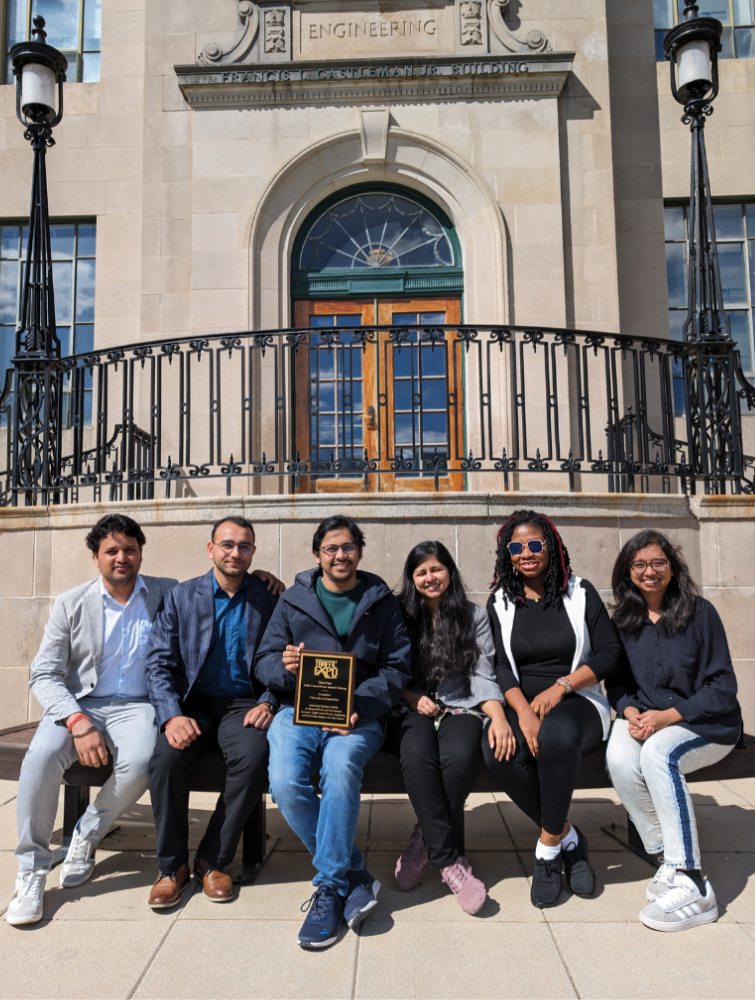
A team of visionary graduate students from the Civil and Environmental Engineering Department (TUE) at the University of Connecticut, including Manmohan Joshi, Saki Rezwana, Haimanti Bala, Prakash Ranjan, Oluwaseun Olufowobi, and Syed R Islam, secured third place in the 2024 Traffic Control Device Student Challenge during the Transportation Research Board (TRB) conference.
Their pioneering project, "Enhancing Nighttime Visibility for Human Drivers and CAVs through Innovative Traffic Control Devices," presents a novel approach to mitigating the dangers of nighttime driving by merging LED-lit E-Paper displays with LiDAR sensors. Aimed at augmenting road safety, this innovative system offers dynamic, real-time traffic control devices that adapt to changing environmental conditions to significantly lower crash risks and protect pedestrians after dark. The success of this project is attributed to the invaluable guidance and support provided by Dr. Anshu Bamney and Dr. Eric Jackson of the Connecticut Transportation Institute (CTI).
Author: UConn Alum Kumares Sinha Gives Back
Dr. Kumares Sinha started his long career in Transportation Engineering at UConn, where he received his M.S. and Ph.D. degrees in 1966 and 1968, respectively. After teaching for six years at Marquette University, he joined the faculty at Purdue University, where he has been the Edgar B. and Hedwig M. Olson Distinguished Professor of Civil Engineering since 1996. His research has significantly influenced pavement, bridge, and safety management systems, with notable involvements in AASHTO and the U.S. Army Corps of Engineers. An advocate for advanced technologies in transportation, Dr. Sinha has been involved in pioneering research on autonomous and connected vehicles. His contributions to the field are recognized globally, as evidenced by his role in editorial boards, leadership positions in various transportation organizations, and numerous prestigious awards, including election to the National Academy of Engineering. Dr. Sinha's career embodies a commitment to advancing transportation infrastructure and education on a global scale.
He now gives back to his alma mater with a gift to support graduate fellowships in Transportation Engineering, providing students like him sixty years ago with the opportunity to advance and excel in their studies. Dr. Sinha spoke to Dr. Chrysochoou about his UConn experience, career and his advice for current and future graduate students.
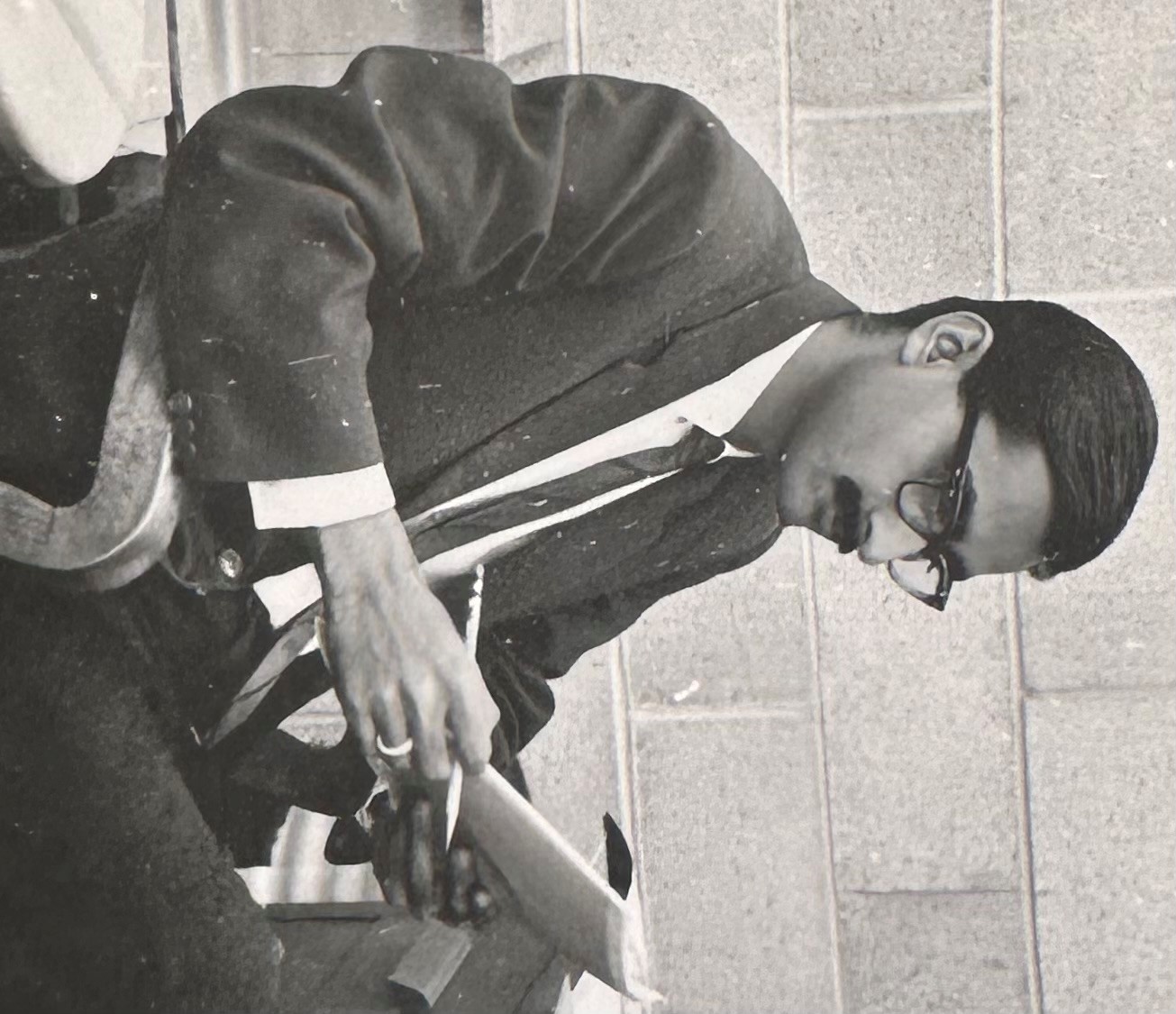
Dr. Sinha Kumares at UConn
Conversation Transcript
Dr. Chrysochoou:Thank you once again for your generous gift and for taking the time to chat with me today. To start, could you tell me a bit about your journey into engineering and what led you to pursue a Ph.D. in transportation engineering?
Dr. Sinha: Of course. I've been the Edwin B. and Hedwig M. Olson Distinguished Professor of Civil Engineering at Purdue since 1996, having joined the university in 1974. Prior to that, I was at Marquette University for six years, where I was promoted to Associate Professor with tenure in 1972. My academic journey in the US started at UConn in 1964 where I completed my master's and Ph.D. in 1968. After obtaining my undergraduate degree in India in 1961 I worked for three years in Calcutta. My work there in road construction and settlement planning for refugee rehabilitation spurred my interest in transportation engineering, a field that was not well developed at that time, particularly in planning and operations.
Dr. Chrysochoou: It's intriguing to hear about the evolution of transportation engineering. How have you seen civil engineering change over the years?
Dr. Sinha: The field has indeed evolved significantly. Civil engineering started with a focus on mechanics, structures, and materials and expanded to include sanitation, water management, and later, transportation and construction using operational research, statistics, simulation, and optimization. These changes reflect the field's broadening scope while still maintaining its core focus on building and planning.
Dr. Chrysochoou: Reflecting on your time at UConn, how do you perceive the differences in the student body and academic environment from then to now?
Dr. Sinha: There's a notable difference. During my time, the student population was primarily domestic with a few international students from Asia. Now, there's a diverse international presence, especially in graduate programs.
Dr. Chrysochoou: What advice would you offer to a Ph.D. student just beginning their academic journey?
Dr. Sinha: I emphasize the importance of maintaining curiosity and exploring seemingly impossible ideas. This mindset has served my students well, propelling them into successful careers across various sectors.
Dr. Chrysochoou: Your generous contribution to the graduate students in transportation is deeply appreciated. What inspired you to make this gift?
Dr. Sinha: My experience at UConn played a pivotal role in my life and career. When I arrived from India, I had limited means, but the university, especially individuals like Professors Jack Stephens and Vincent Gant, provided immense support. Most significantly, UConn is where I met my wife. We were married for over 48 years when she passed away in 2015. Our life together, along with our five children, is a testament to the foundation we built at UConn. This gift to support students is a small token of my gratitude. The care and support I received at UConn, however, can never be repaid.
Dr. Chrysochoou: Your journey and your contribution are truly inspiring. We're grateful for your support and for sharing your story with us today.
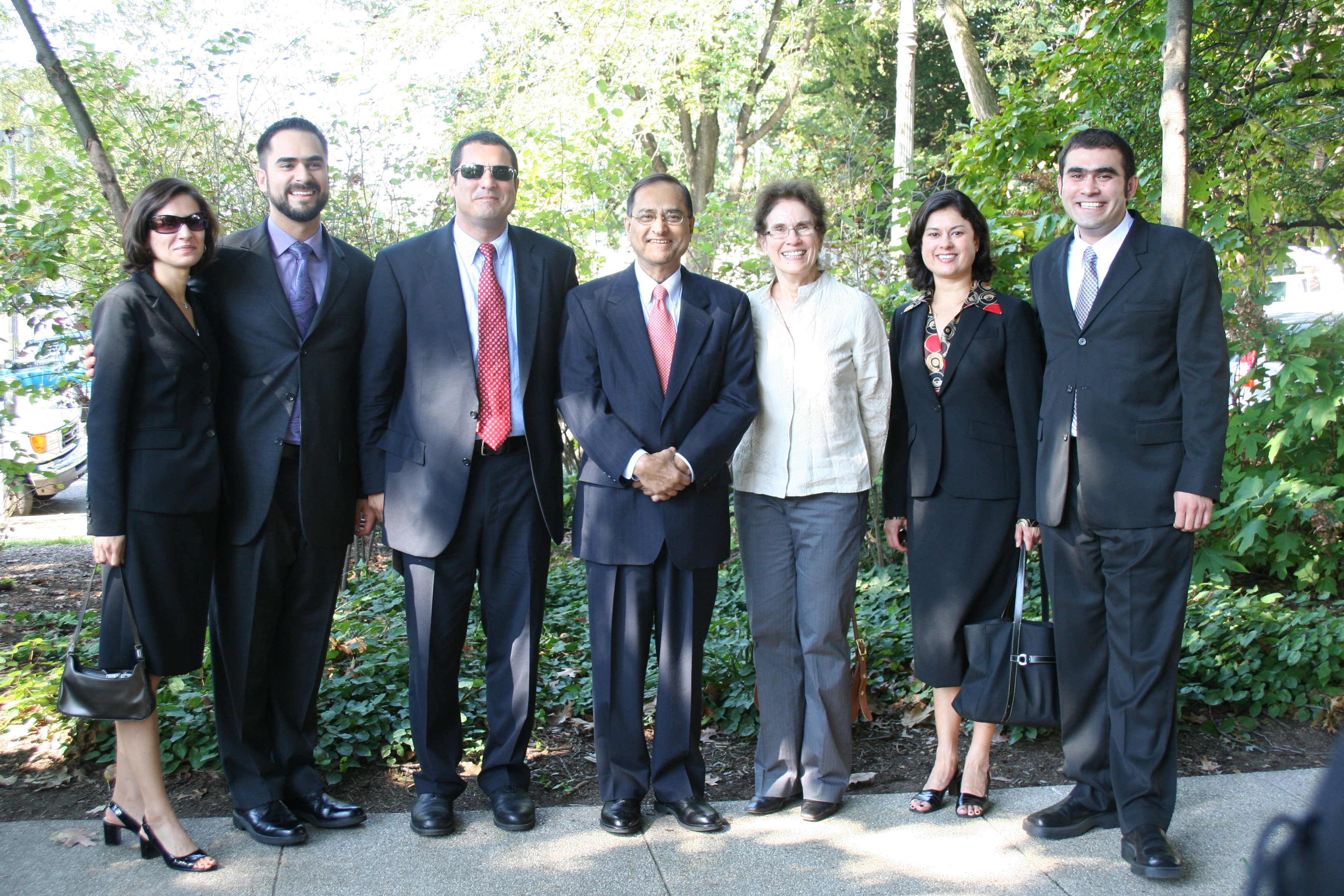
Dr. Sinha Kumares and family in 2008.
Dr. Sinha: It's my pleasure to have the opportunity to share and give back. Thank you for this engaging conversation, and I look forward to future interactions.
Dr. Chrysochoou: Thank you, Dr. Sinha. Your story is a beacon for our community, and we cherish your ongoing connection with us.
Author: Future Leaders Internship Night
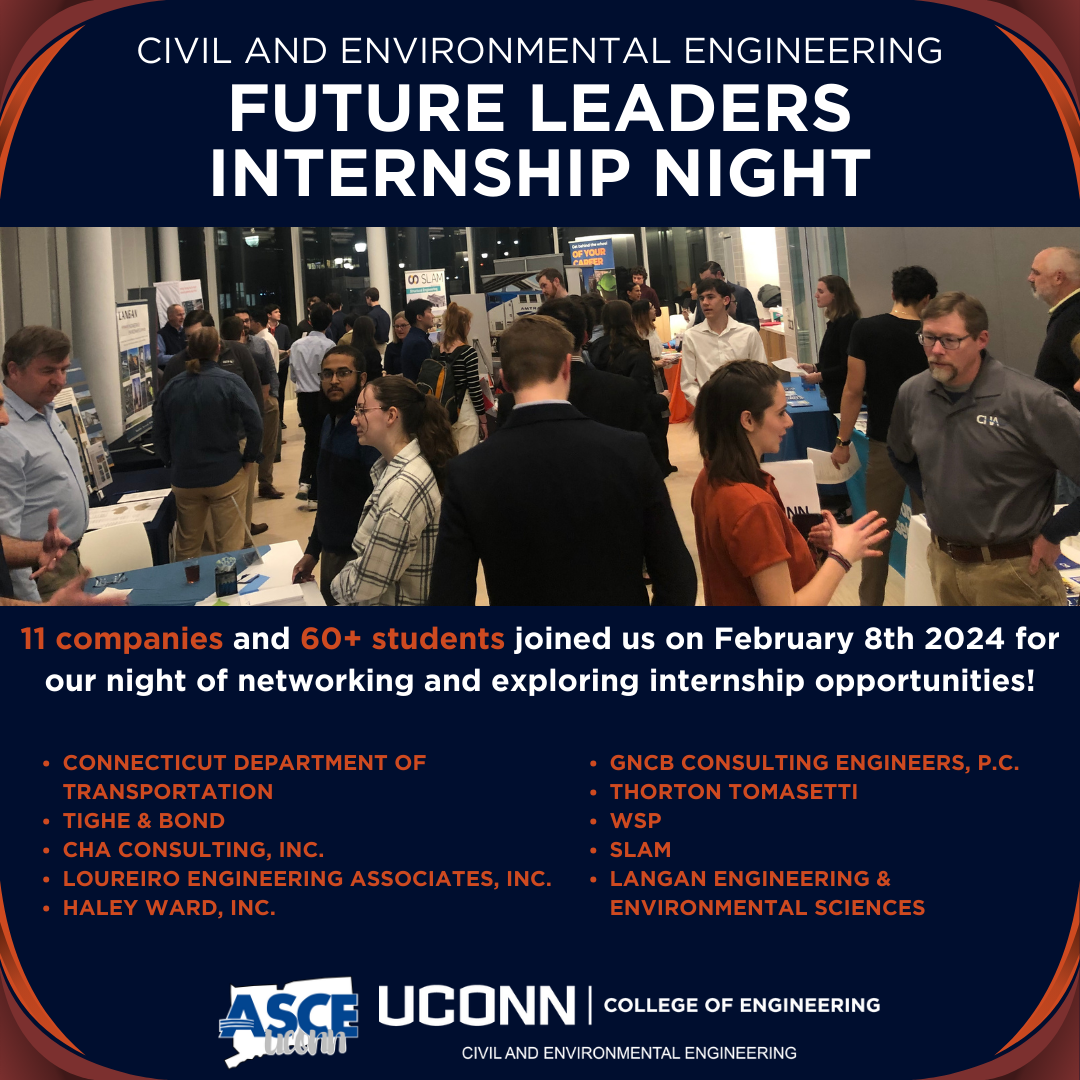
The Civil and Environmental Engineering Internship Night organized by the American Society of Civil Engineers (ASCE) Student Chapter took place on February 8th, with great success!
ASCE officers Max Raha, Zachary Marshall, Gavin Berger, Rocco Veneruso, Jacqueline Torlai, and Jonathan Bustamante put together a professional event, featuring 11 of the best companies in the industry, including: The Connecticut Department of Transportation, Tighe & Bond, CHA Consulting, Inc., Loureiro Engineering Associates, Inc., Haley Ward, Inc., GNCB Consulting Engineers, P.C., Thorton Tomasetti, WSP, SLAM, and Langan Engineering & Environmental Sciences.
“As President of ASCE over the past two years, this event was easily the most rewarding I have been a part of,” says Max Raha. “I am very thankful to all of my fellow officers, Dr. Jang, Dr. Chrysochoou, and all of the employers for making this possible. It was amazing to have been able to facilitate connections between so many students and professionals in one night, and I hope this event will continue to happen in future years.”
Over 60 students signed up and attended the event to network and explore internship opportunities. We thank everyone for their attendance and support, without which this would not have been possible - and we are so excited for future events just like this!
Author: CEE Alum Returns to Industrial Advisory Board
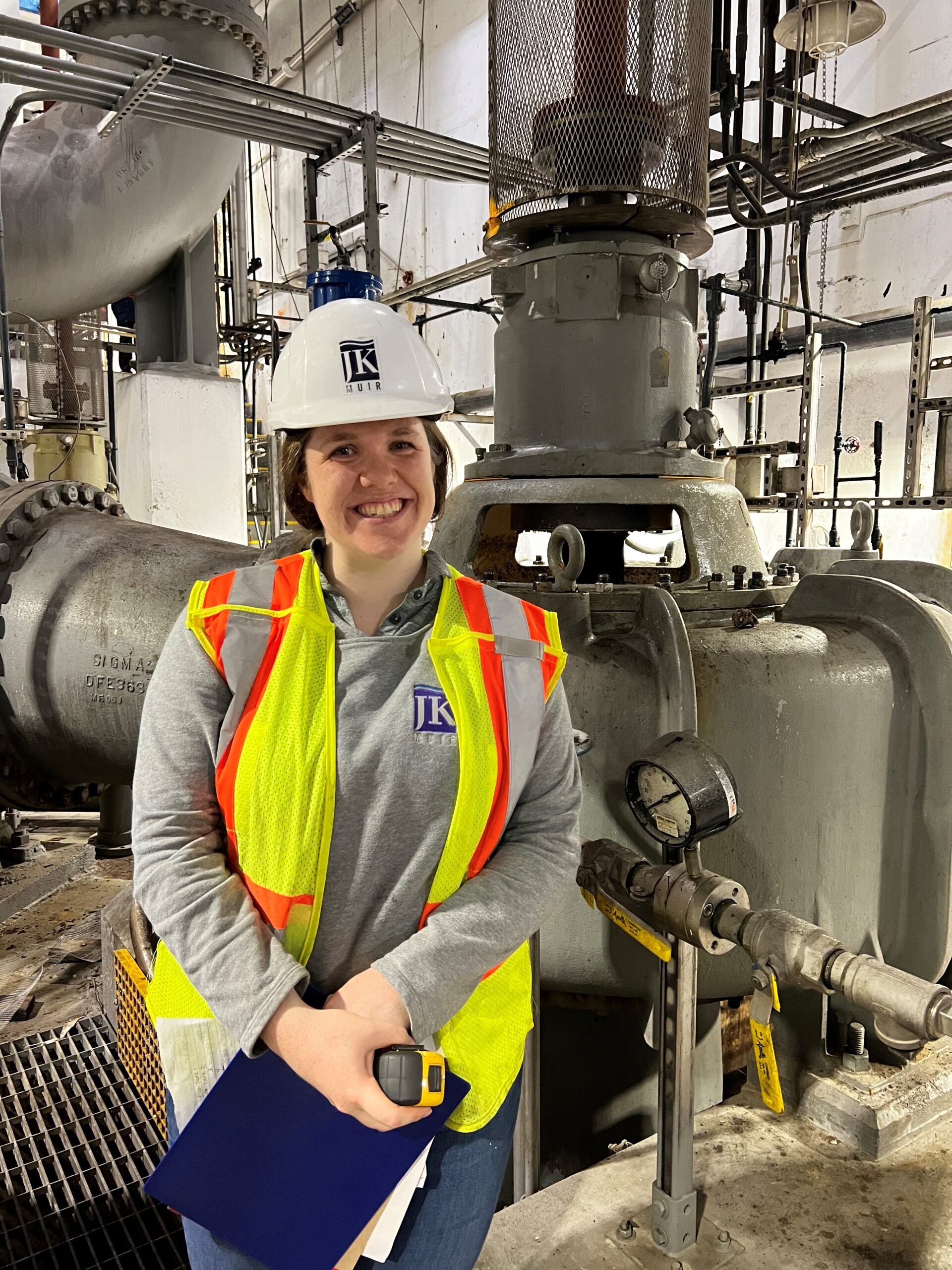
UConn Civil and Environmental Engineering is happy to announce Megan Coleman as a new member of the CEE Advisory Board.
Megan is a young professional with 5+ years of experience in the public sector, with a focus on sustainable built infrastructure and translating sustainability project objectives into grant funding. Using the Envision infrastructure framework, she works with design firm consultants and municipalities to leverage data driven solutions in order to inform tangible approach to sustainability, energy efficiency, decarbonization, and clean construction in public infrastructure projects. Her sustainability experience and performance metric driven approach has resulted in her managing several projects and work primarily with design firms and NYC DEP, NYC EDC, and NYC MOCEJ on progressive City-wide sustainability initiatives. Her exciting project to-date is being the project manager on behalf of JKMuir and playing an active role in integrating energy and sustainability for the NYC Lower Manhattan shoreline resiliency project, namely The Financial District and Seaport Climate Resilience Master Plan.
Megan works for JKMuir, a WBE and DBE certified agency in multiple states, agencies, consultants and municipalities. JKMuir also has a field team of experts that conduct water/wastewater process energy audits, pump system testing, and RPR services.
Megan earned a B.S.E. in Environmental Engineering from the University of Connecticut and an M.S. in Environmental Engineering from the University of New Haven. She is an Envision Sustainability Professional (ENV SP) and WEDG Professional. She is active with multiple committees, including the NEWEA Energy Committee, NEWEA Diversity Equity & Inclusion Committee, and NYWEA Sustainability Committee.
Megan is interested in joining the UConn Advisory Board, because diverse perspectives are critical in providing a holistic strategic direction to the UConn Department of Civil & Environmental Engineering. She is prepared to be an active collaborator and offer her perspective and lived experiences from the energy and sustainability industry as a motivated young professional, a female in a male dominated space, and deaf with cochlear implants. She is especially interested in bridging the gap between engineers and people, and wants to ensure that future UConn students and leaders are effective collaborators and leaders in the civil and environmental industry.
Author: Crumbling Concrete Foundations Project Receives $4M in Funding From NIST
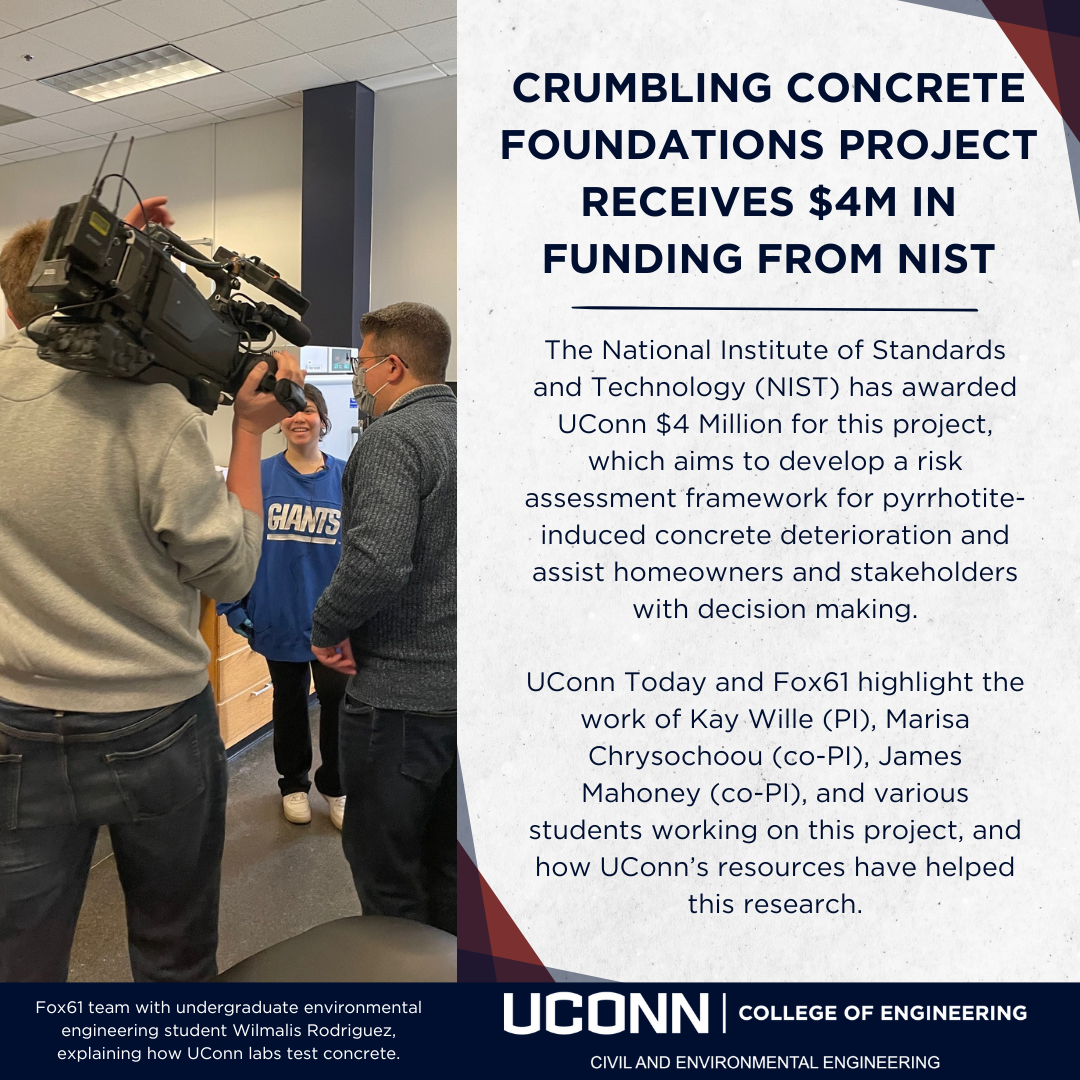
The Crumbling Concrete Foundations Project has received $4 million in funding from the National Institute of Standards and Technology (NIST), to support their research concerning the source of concrete degradation and possible solutions.
For this project, CEE Professor Kay Wille is the principal investigator, joined by co-PIs CEE Department Head Marisa Chrysochoou and CTI Associate Program Director James Mahoney. Their team works with homeowners to identify how much pyrrhotite - which the team argues leads to concrete degradation - is present, how it varies, and if it can be prevented.
“The goal of this research is to make a defined conclusion for these questions, but that’s not an easy task,” Wille says. With this funding, the team will continue to look into five areas of focus, including sampling methods, accelerated testing, and risk assessment.
Their testing methods include heating up concrete to measure its sulfur content, which can be an indicator for faultiness. "We wait until this is up to 1450°C," explains Wilmalis Rodriguez, an undergraduate environmental engineering student working in the lab. "And then I put them in [our LECO machine], and I wait two minutes, and it tells me the percentage."
This story has been featured on UConn Today, as well as in local news on Fox61. Check them out for more details!
Author: Olin Green Awarded CEE Outstanding TA Award
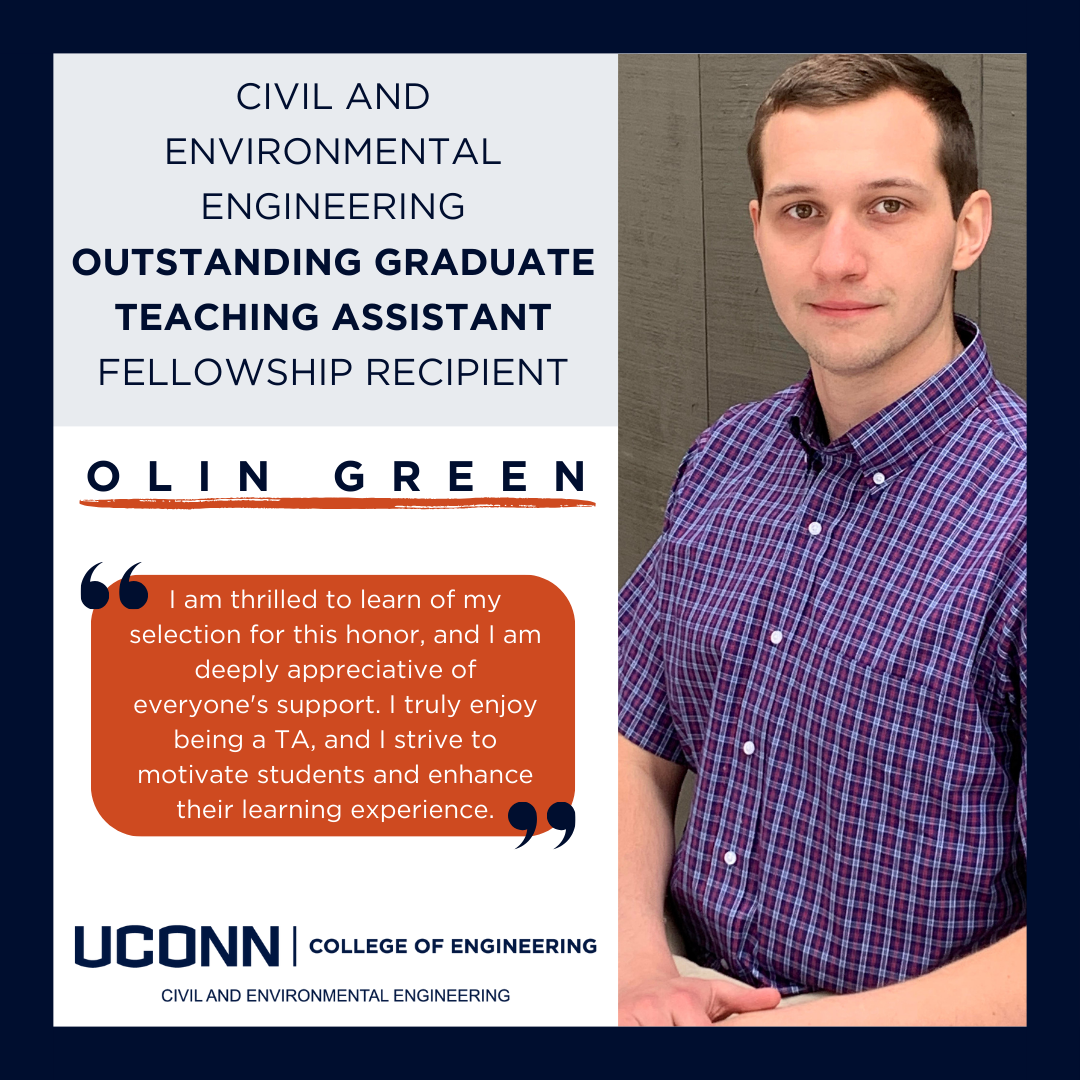
Congratulations to Olin Green for the well-deserved CEE Outstanding Graduate TA Fellowship for the Fall 2023 semester!
The Civil and Environmental Engineering (CEE) Outstanding Graduate Teaching Assistant (TA) Fellowship was established to recognize graduate students that demonstrated excellence in supporting the educational mission of the Department. The TAs are evaluated by the undergraduate student cohort and course instructors at the end of each semester. The fellowships are awarded to the TA that received outstanding evaluations.
Olin is a PhD candidate in Transportation and Urban Engineering within Civil Engineering, working under the advice of Prof. John Ivan. He is also a member of the Engineering for Human Rights Initiative.
Author: Neurodiversity in Engineering Learning Community
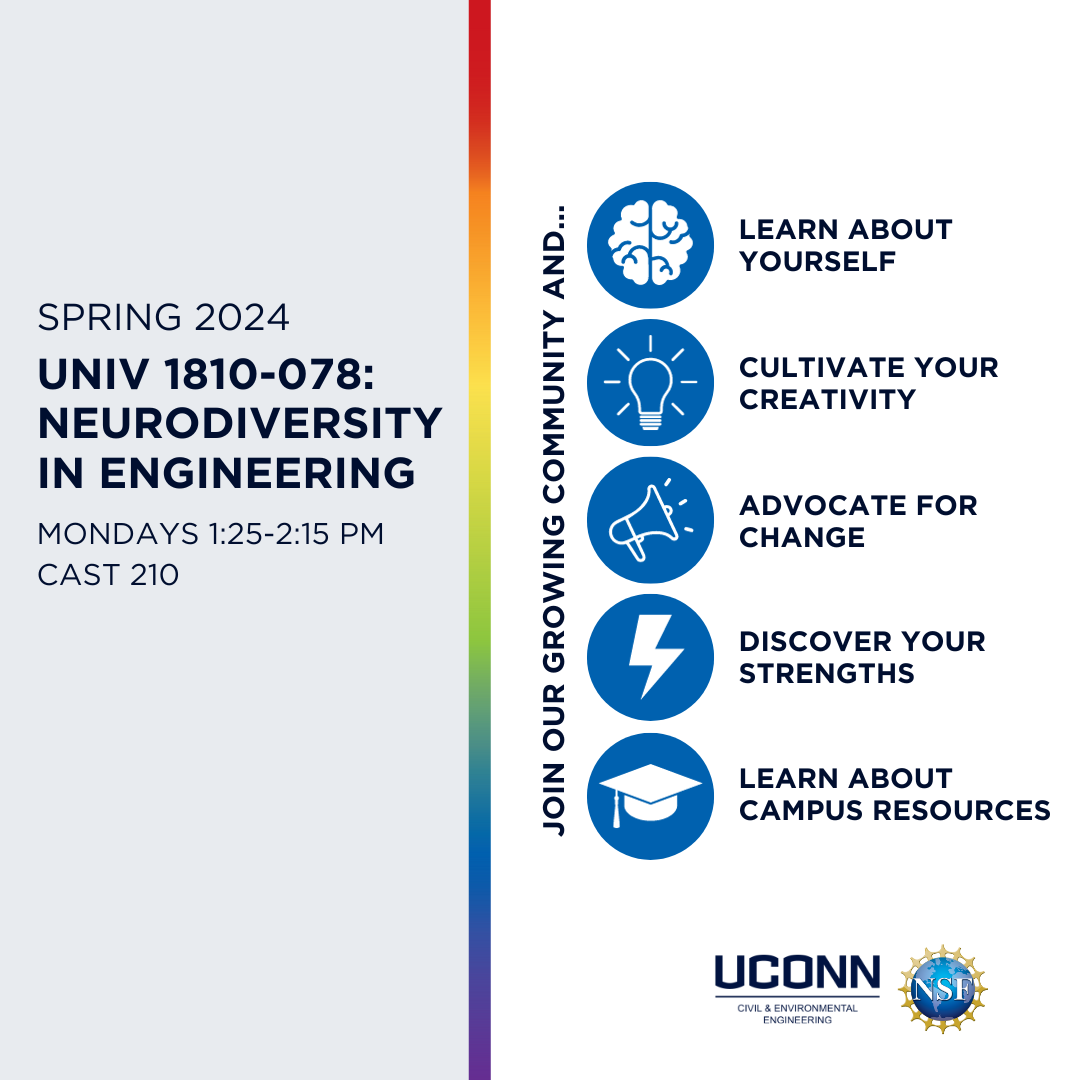
Join us for our learning community, UNIV 1810-078: Neurodiversity in Engineering, this Spring 2024!
It will be a low-intensity, 1-credit course held on Mondays from 1:25 pm to 2:15 pm. In this course, you'll learn more about yourself and be able to join other neurodivergent students at UConn while fostering a sense of belonging and community.
We will provide you with opportunities to discover and explore your strengths while working to promote wellness as we discuss topics related to being a neurodiverse college student. Check out our Neurodiversity in Engineering website, formerly called Neurodiversity at UConn, to see a copy of our past syllabi and a more in-depth description.
If you have any questions, you can contact Connie Syharat, the Include Project Manager, at connie.syharat@uconn.edu or Caressa Wakeman, the Include Graduate Assistant, at caressa.wakeman@uconn.edu. No permission number is required. We hope to see you next Spring!
Author: Four CEE faculty appear on Stanford’s list of top 2% researchers for 2023
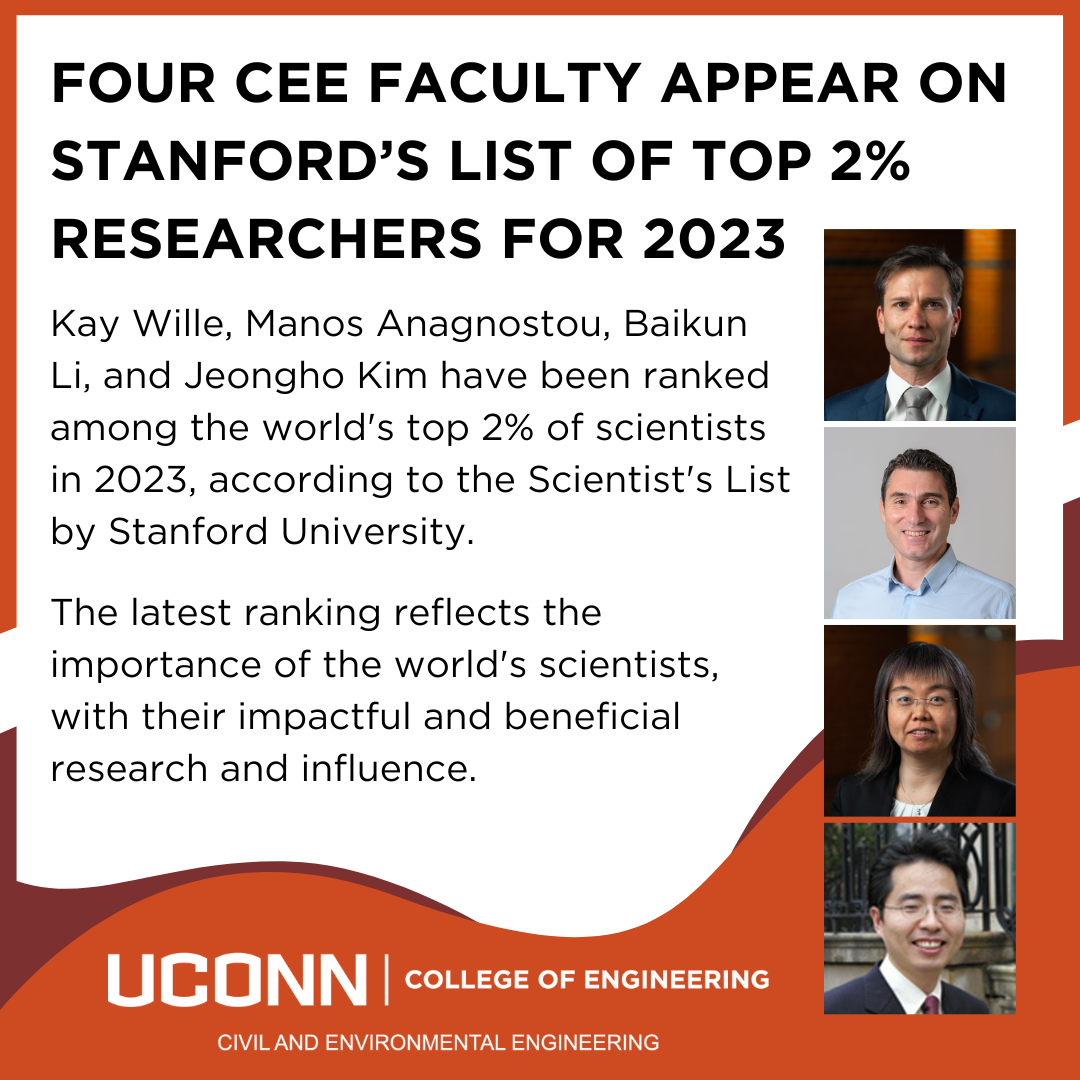
Professors Kay Wille, Manos Anagnostou, Baikun Li, and Jeongho Kim have been ranked among the world's top 2% of scientists in 2023, according to the Scientist's List by Stanford University, which lists the most widely cited scientists in various disciplines. The prestigious ranking is based on a database that includes more than 200,000 researchers from the more than 10 million scientists considered active worldwide, with 22 scientific fields and 176 subfields considered. The latest ranking reflects the importance of the world's scientists, with their impactful and beneficial research and influence.
You can learn about some of their important work on our website! For instance, Dr. Kim's work on high-performance computing for manufacturing simulations and Dr. Li's work towards carbon monoxide reduction. As well, Dr. Anagnostou works on energy and grid resilience as director of the Eversource Energy Center, and Dr. Wille conducts research concerning material design and characterization of ultra-high performance concrete (UHPC).
Author: 5th National Climate Assessment Released
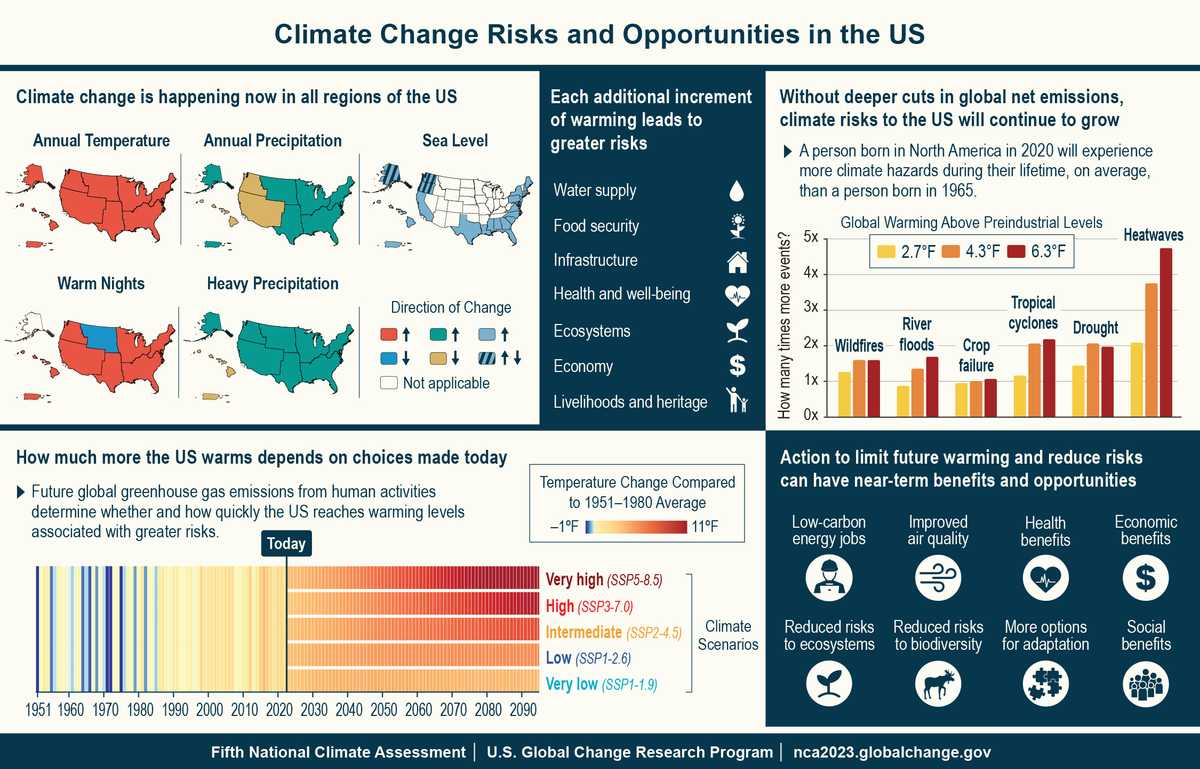
The most recent National Climate Assessment Report (NCA5) was released earlier this week, and two of UConn's faculty - Dr. Guiling Wang and Dr. Zhe Zhu - are among its authors. In particular, the two worked on the sixth chapter of the report, Land Cover and Land-use Change.
"[The] NCA5 was written to inform a broad audience of decision makers around the country who are not climate scientists," Wang says. The NCA5 is designed for accessibility, and underwent a thorough review process from several federal agencies. With four years' work and hundreds of scientists' expertise, the report provides comprehensive and significant findings that will be used to inform future climate action.
"Climate change is not all doom and gloom," Wang concludes. "With climate action comes hope, optimism, and opportunities."
For more details, read on UConn Today. Or, read the chapter itself on the NCA5 website.
Author: Laying the Foundation for Carbon Dioxide Reduction
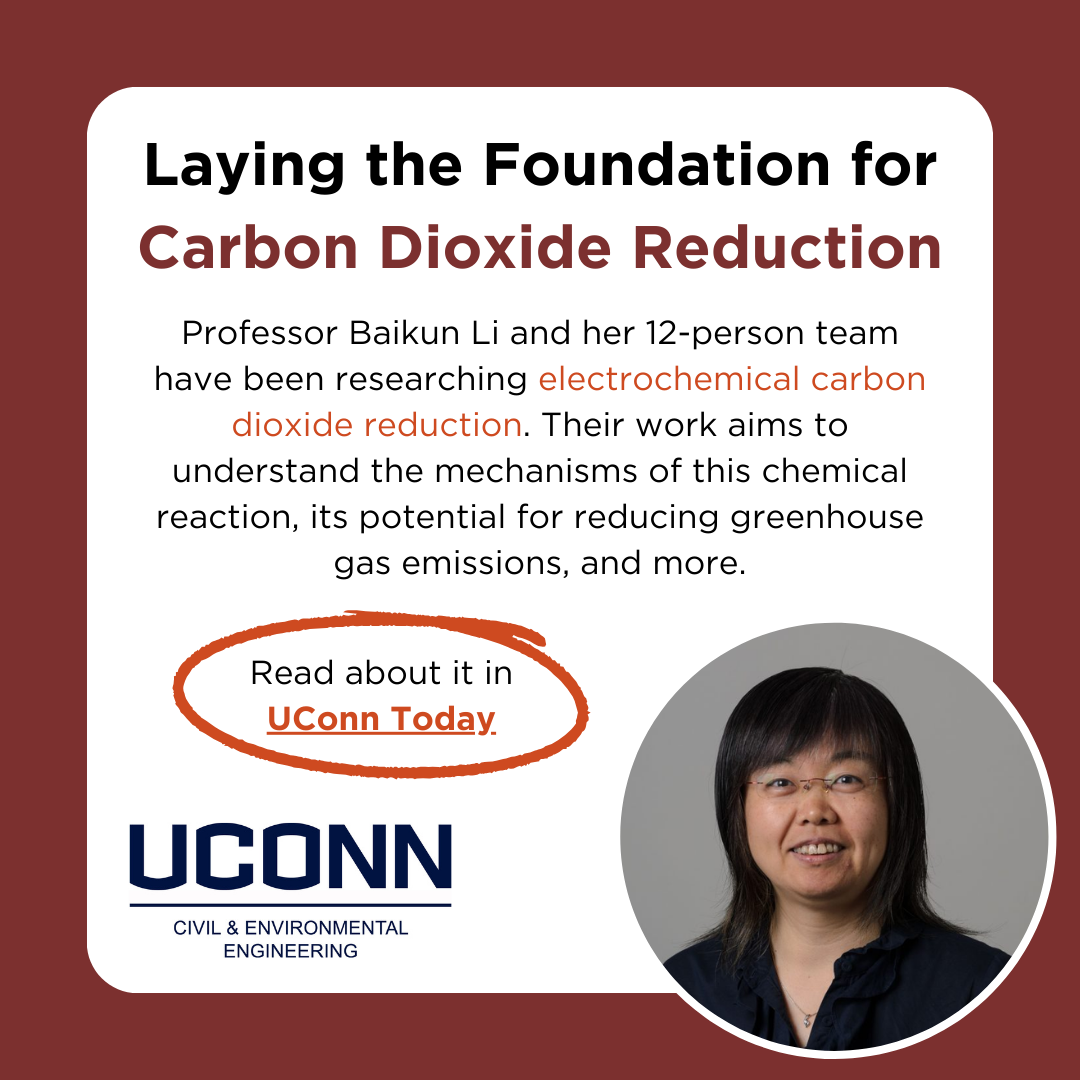
Environmental engineering professor Baikun Li and her 12-person team have been researching electrochemical carbon dioxide reduction, and their findings were recently published in the Royal Society of Chemistry’s Energy and Environmental Science Journal. Their work aims to understand the mechanisms of this chemical reaction, its potential for reducing greenhouse gas emissions, and more.
“The broad impact of this methodology doesn’t only apply to CO2 reduction,” Li says. “It has countless applications, but we used CO2 reduction as an example of how we can use quantum level modeling for potential future research.”
For more details, read on UConn Today.