UConn Hosts International Conference on Iron-Sulfide Reactions in Concrete – ICISR 2026
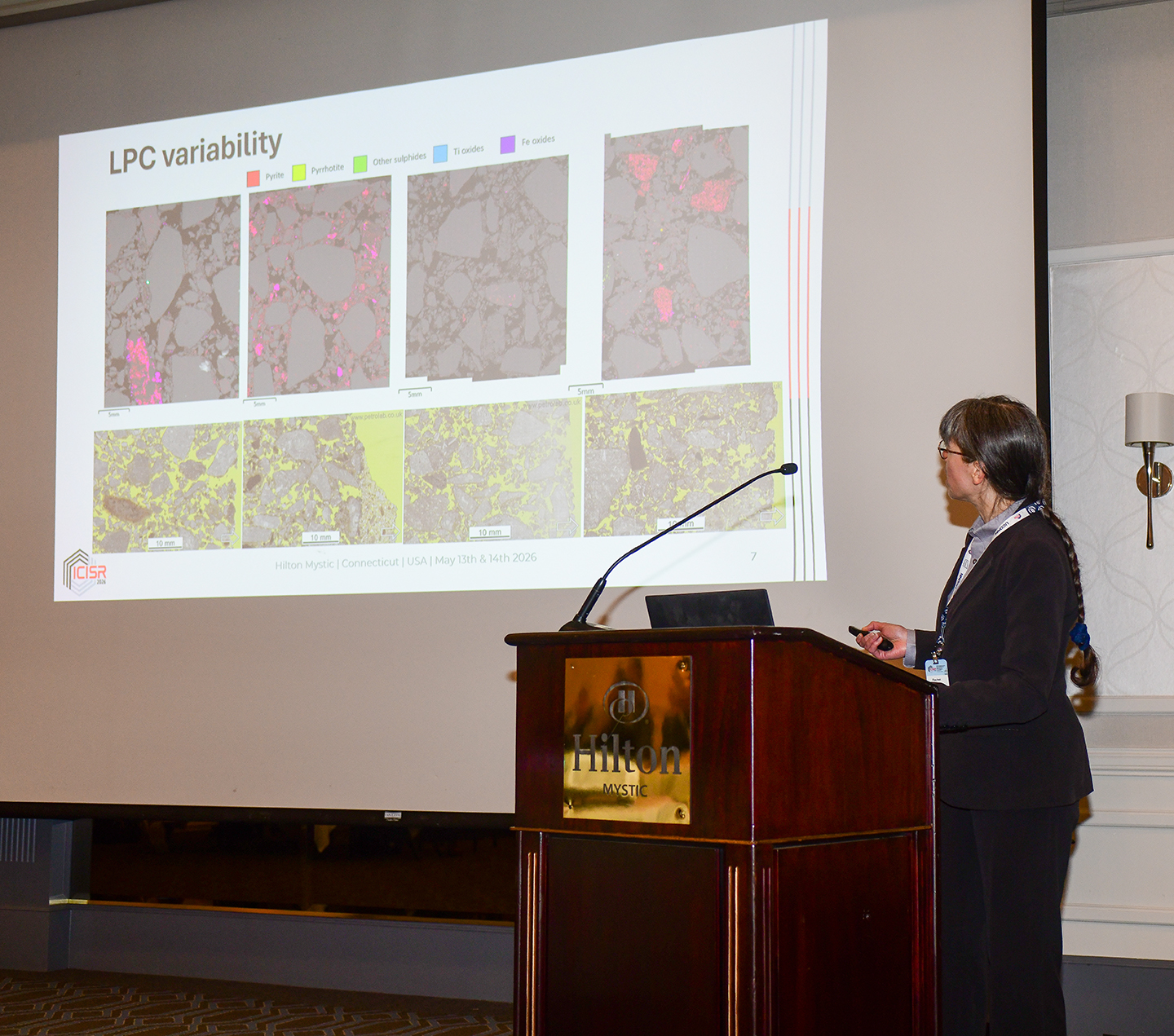
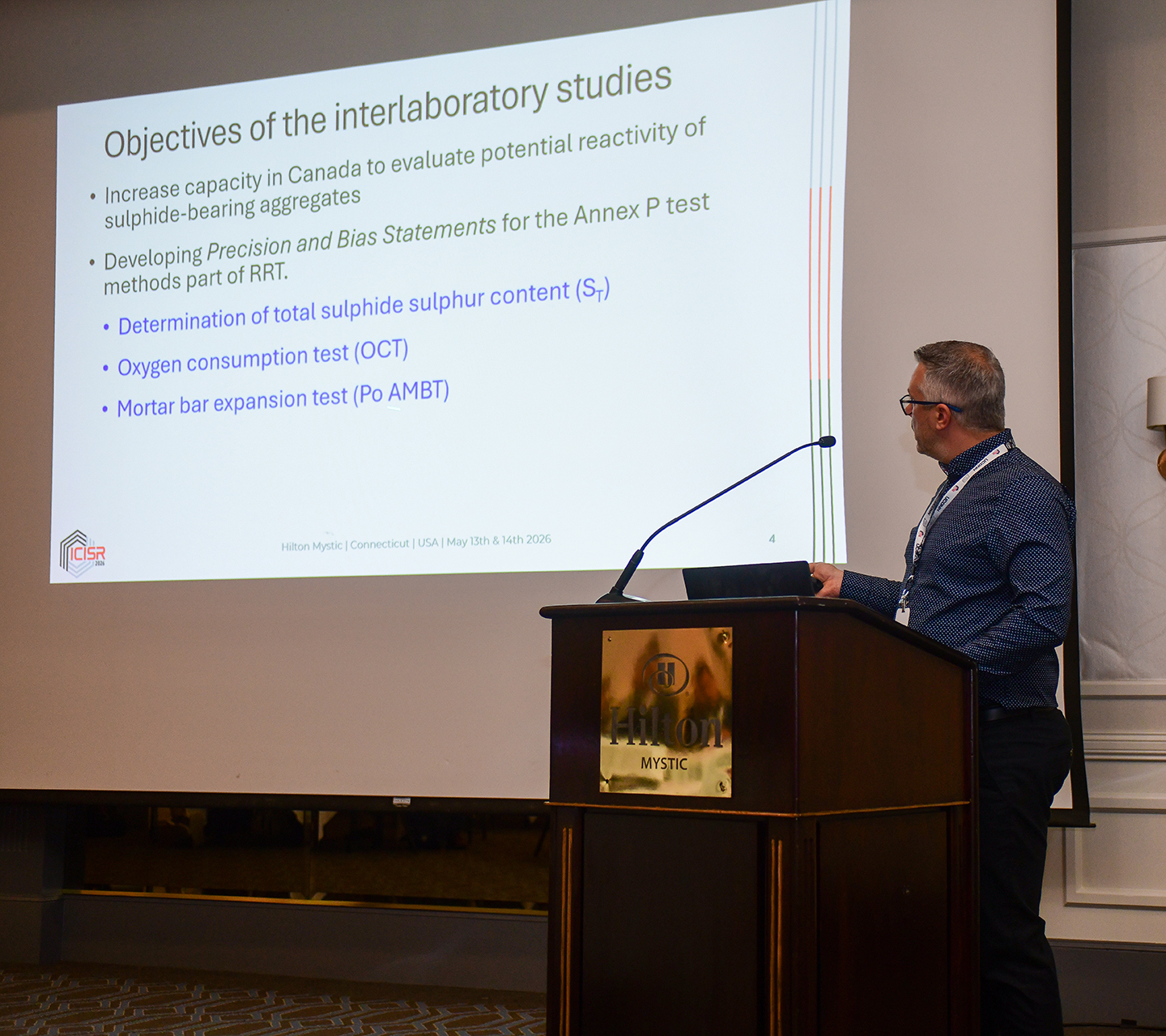
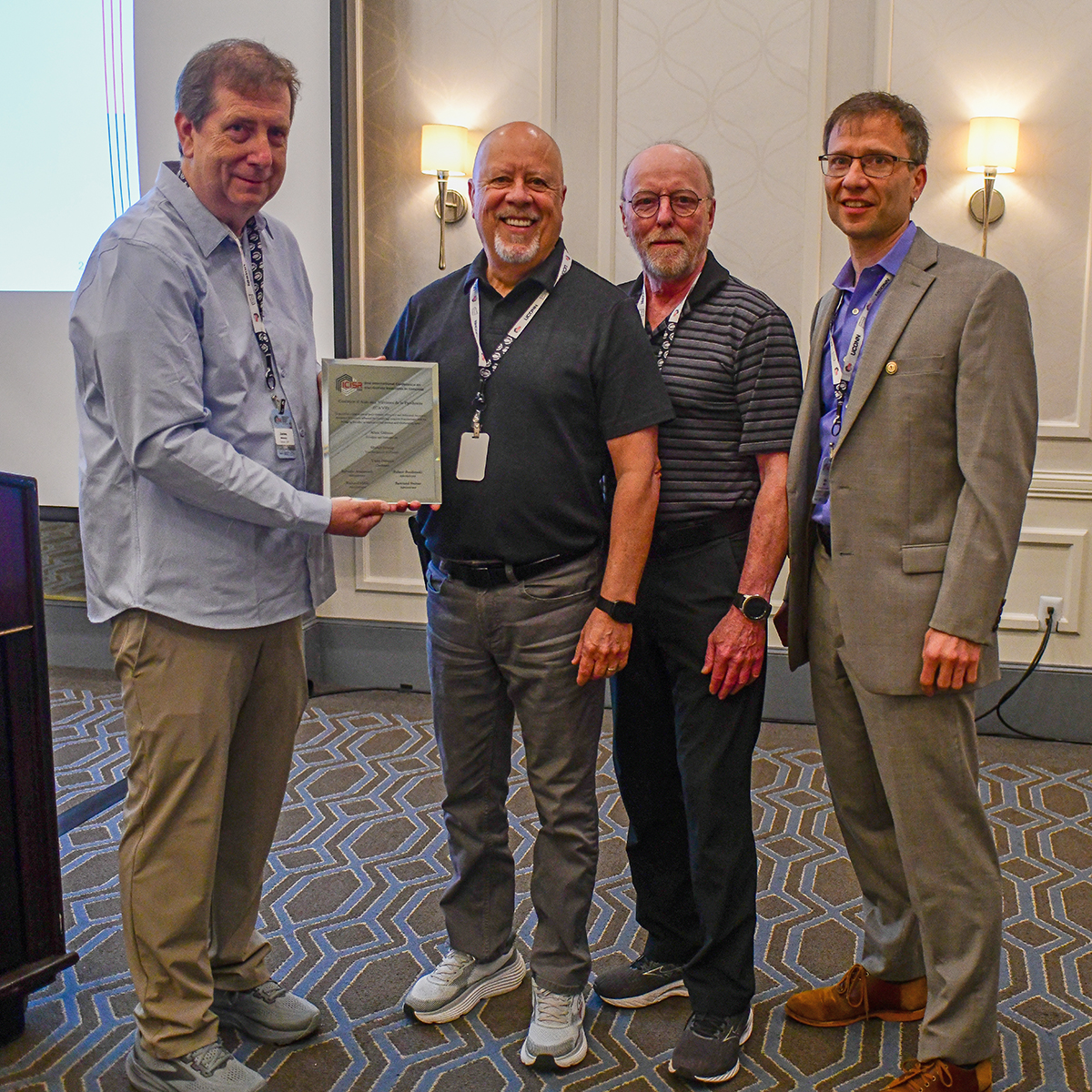
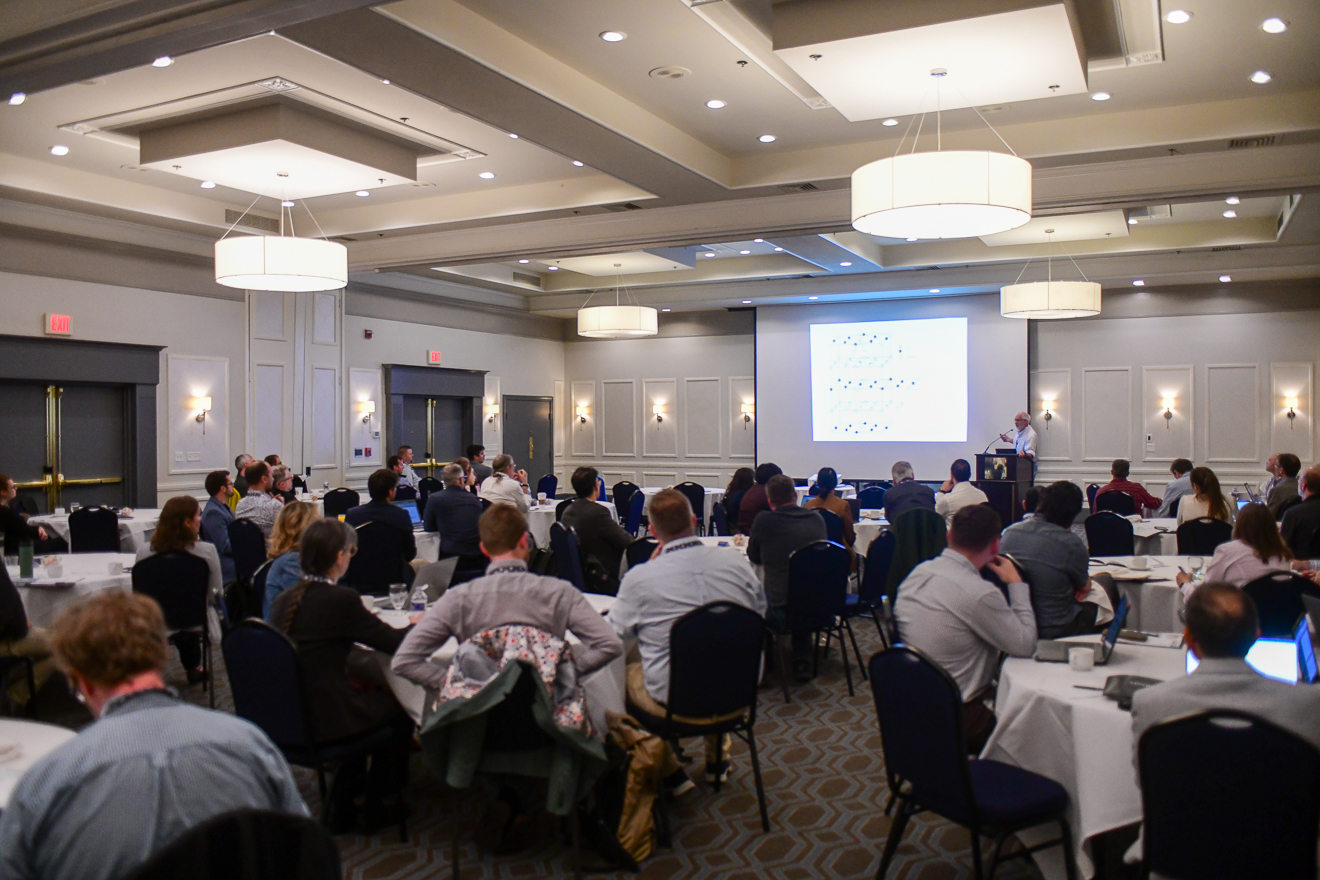
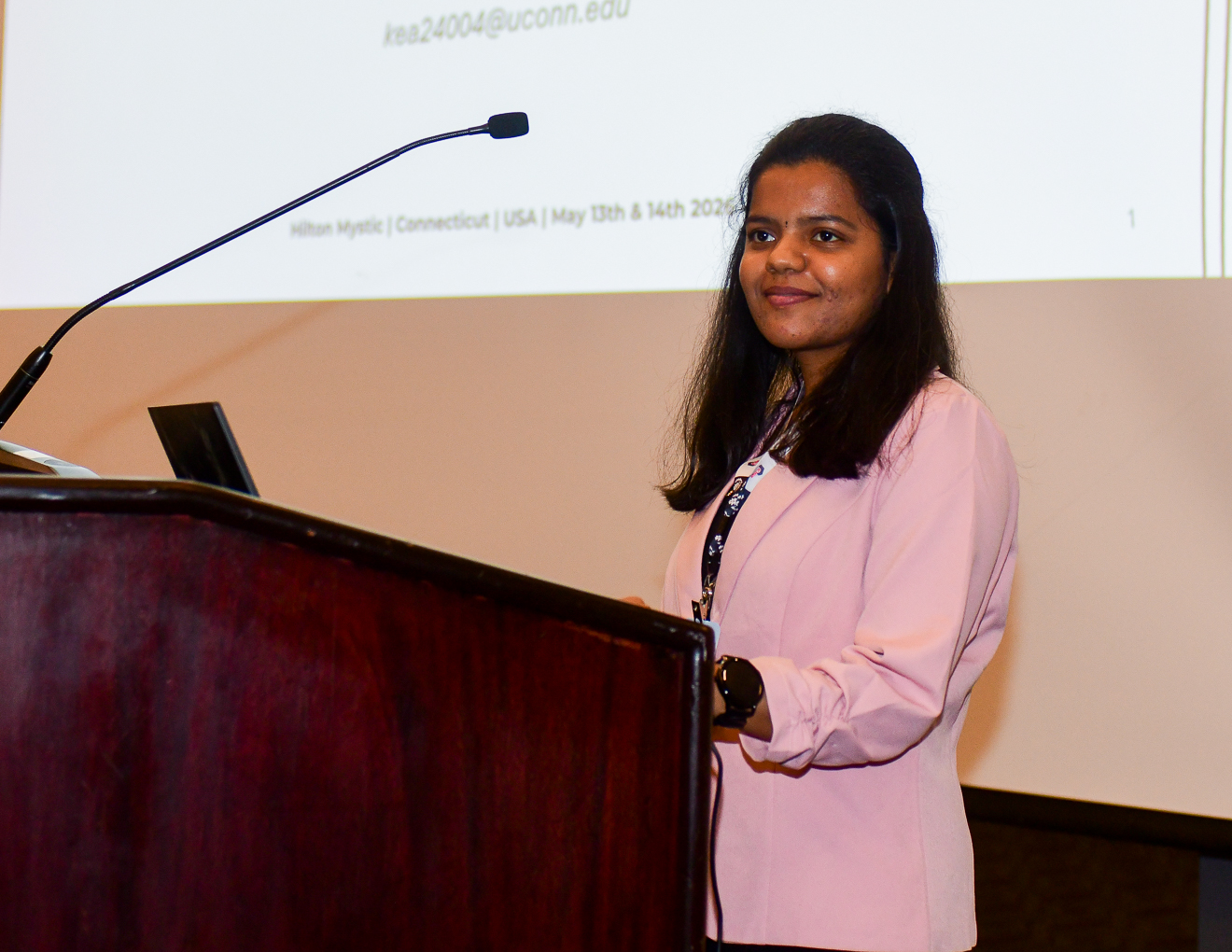
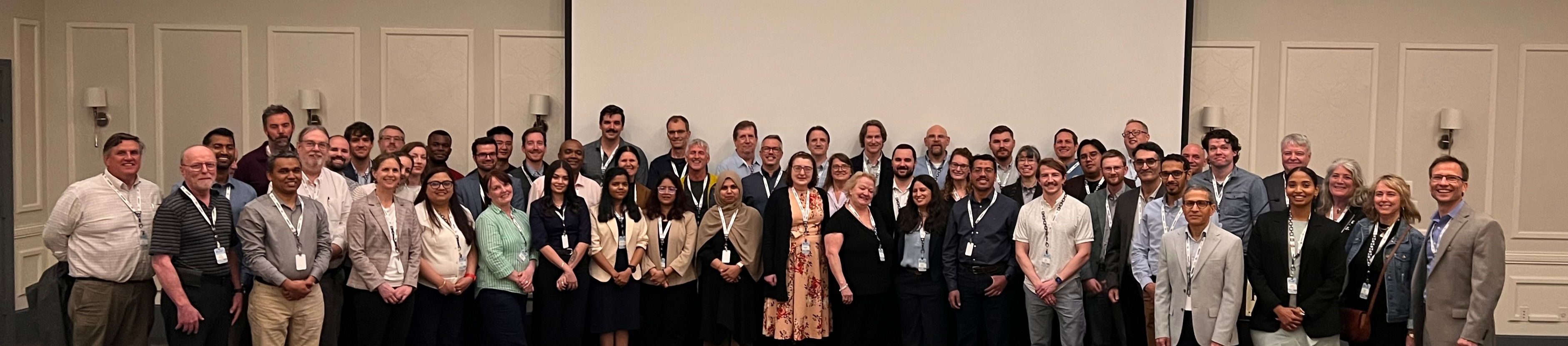
Researchers, engineers, industry professionals, public agencies, homeowners’ associations, and students from around the world gathered in Mystic, Connecticut, May 13–14 for the 2nd International Conference on Iron-Sulfide Reactions in Concrete (ICISR 2026), hosted by the University of Connecticut.
The conference brought together approximately 80 attendees from six countries and featured 50 presentations focused on one of the most significant durability challenges facing concrete infrastructure and residential foundations: deterioration caused by iron-sulfide-bearing aggregates and subsequent internal sulfate attack.
Building on the inaugural conference held in Québec, Canada, in 2024, ICISR 2026 continued the growing international effort to better understand the causes, impacts, and solutions associated with concrete deterioration linked to sulfide-bearing aggregates. The issue has affected structures in Canada, the United States, Ireland, and other regions, creating both engineering challenges and significant impacts on homeowners and communities.
Hosted by the School of Civil and Environmental Engineering and the Connecticut Transportation Institute, the conference featured eight technical sessions, presentations from homeowner advocacy organizations, student research presentations, sponsor flash talks, and opportunities for collaboration among experts from academia, government agencies, consulting firms, testing laboratories, and industry.
“This topic is scientifically complex and technically challenging,” said Kay Wille, director of the School of Civil and Environmental Engineering and conference chair, during his opening remarks. “But it is not only about mineralogy, oxidation reactions, testing methods, or concrete durability. It is also about homes, affected families, and trust.”
A unique aspect of ICISR 2026 was the inclusion of homeowner advocacy groups from Connecticut, Massachusetts, Ireland, and Canada. Their participation highlighted the real-world impacts of deteriorating concrete foundations and reinforced the importance of collaboration between researchers, engineers, policymakers, and affected communities.
Debbie MacCoy, a Connecticut homeowner advocate who has spent more than a decade connecting researchers, agencies, and affected communities across multiple countries, praised the conference's collaborative atmosphere.
“I’m so proud to be a UConn alumna and to have been included in the research and outreach efforts surrounding this issue,” MacCoy said. “The conference brought together experts and advocates from around the world, and it was inspiring to see the continued sharing of knowledge and expertise.”
The event also showcased the contributions of graduate and undergraduate students, who presented research and engaged with leading experts in the field. Attendees were eligible to earn Professional Development Hour (PDH) certificates, further supporting continuing education and professional advancement.
In addition to the technical program, participants attended a banquet at Mystic Aquarium, providing further opportunities for networking and collaboration among attendees from multiple disciplines and countries.
Since UConn began its research efforts related to crumbling concrete foundations in 2015, faculty, staff, students, and collaborators have worked to advance scientific understanding of iron-sulfide reactions in concrete while supporting affected homeowners and communities. ICISR 2026 reflected the continued growth of these international partnerships and the shared commitment to developing solutions.
Conference proceedings will be made available through the ICISR conference website. Organizers are already looking ahead to the next conference, which is expected to be hosted in Ireland in 2028.
For more information about ICISR 2026, including conference proceedings and presentations, click here.