On April 8, graduate students from across the University gathered at the Dodd Center for Human Rights for UConn’s annual Three Minute Thesis (3MT®) competition—an event that challenges participants to distill years of complex research into a compelling three-minute presentation.
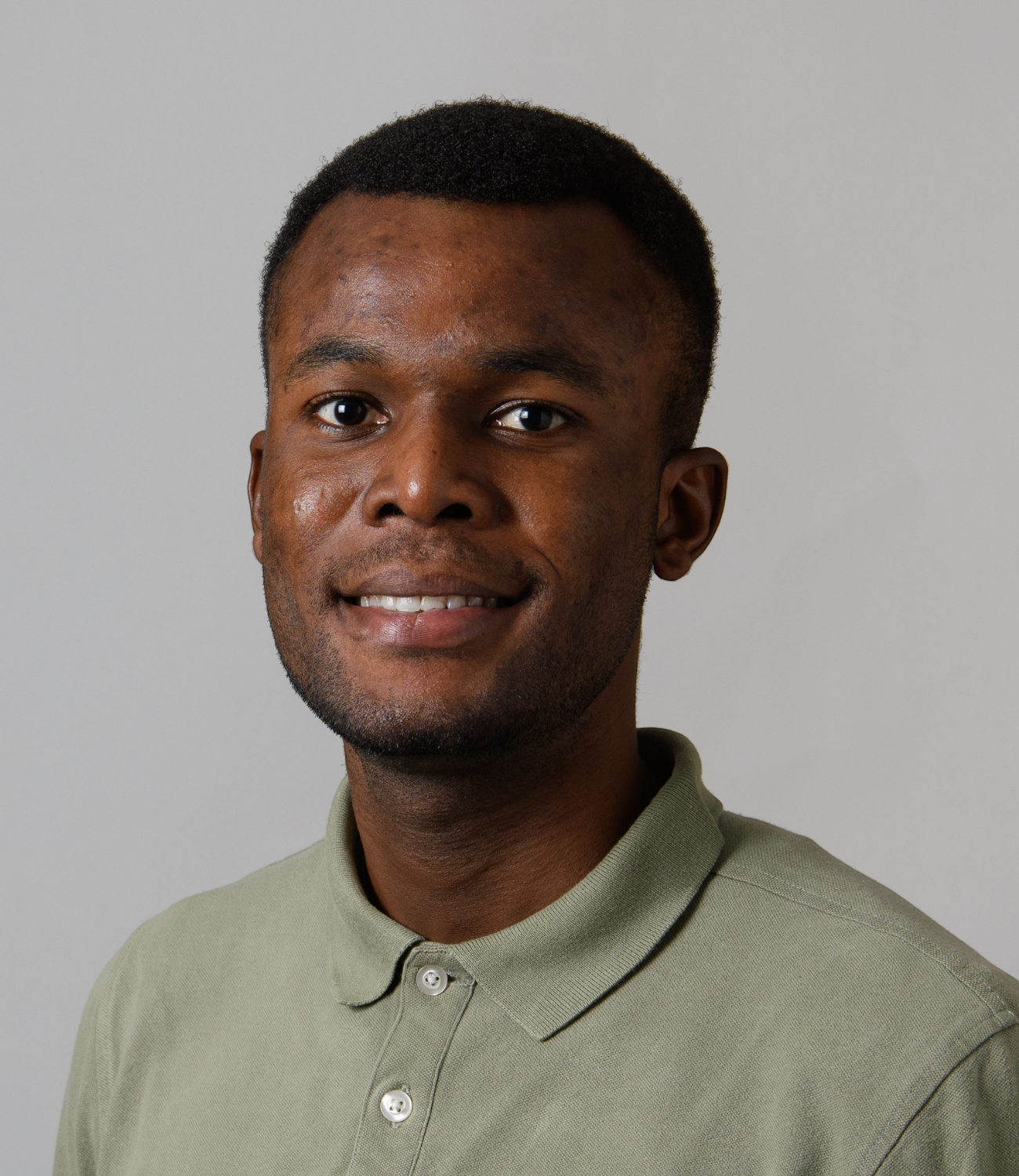
Among the standout competitors was civil engineering Ph.D. candidate Meshach Ojo, who earned first place in the STEM Ph.D. category for his presentation, “From Decades to Weeks: Tackling Connecticut’s Crumbling Foundations.”
Hosted by the UConn Graduate School as part of Graduate Student Appreciation Week, the 3MT competition highlights the importance of clear, accessible communication in research. Participants are tasked with presenting their work in a way that can be understood by a general audience—an increasingly valuable skill for engineers and researchers whose work has broad public impact.
Ojo’s award-winning presentation focused on one of Connecticut’s most significant infrastructure challenges: deteriorating concrete foundations caused by pyrrhotite. His research explores ways to dramatically accelerate the timeline for identifying and addressing these failures, reducing what has historically taken decades down to just weeks.
According to Ojo, he was first selected as a semifinalist from the initial round of applications and then advanced to the finals as one of the top ten presenters in the STEM Ph.D. category. He delivered his final presentation on April 8 before a live audience of peers, faculty, family members, and judges.
The UConn Today recap of the event notes that the competition challenged graduate students and Ph.D. candidates to summarize their theses and dissertations in just three minutes. Winners were selected across three divisions, with Ojo taking the top prize in the STEM Ph.D. category.
The Three Minute Thesis competition, originally developed at the University of Queensland in 2008, has grown into a global program that encourages graduate students to communicate the significance of their work clearly and concisely. At UConn, the event showcases the breadth of graduate research taking place across disciplines while also celebrating students’ ability to connect with broad audiences.
Ojo’s achievement reflects both the strength of his research and his ability to communicate a complex engineering problem in a clear and engaging way. His success also highlights the important work being done by graduate researchers tackling critical infrastructure issues in Connecticut and beyond.
Ojo is advised by Dr. Kay Wille.
Read more about the event and see the full list of winners in UConn Today.